Let's have a
Quick Chat
with you!
Quick Chat
with you!
You have our ear and we can't wait to hear about your idea! Share your details here and we will make sure to schedule a coffee date with you soon.




E-commerce brands have seen an increase in customer demand for engagement and an improved shopping experience. Most of these brands leverage VR and AR technology to enhance customer interactions, which may result in a lack of connection between the customer and the value of the product. AR and VR in e-commerce helps you transform your business. With augmented reality and e-commerce app development services, many companies can offer consumers virtual try-on experiences and 3D previews. Custom smart mobile app solutions enable businesses to deliver intelligent, user-centric experiences tailored to their operational goals.
The e-commerce market in Australia is expanding rapidly, with mobile shopping accounting for a massive portion of online shopping. Local retailers implementing AR app development are experiencing increased engagement, extended sessions, and increased conversion rates. Collaborating with a mobile app development company enables the brands to localise these experiences to Australian consumers and devices.
This blog examines the application of VR and AR to improve customer experience in e-commerce, major applications, advantages, implementation factors, and the reasons why Australian companies are investing in immersive commerce solutions.
It is an ideal section to help startup founders create next-gen retail platforms, product leaders reimagine digital storefronts, and Australian businesses trying to minimise returns and maximise engagement. It offers guidance to align business objectives with technology decisions in the process of working with a mobile app development company that investigates immersive shopping experiences.
This guidance can help CTOs and innovation teams who need to consider AR app development to visualise products more effectively. A retail brand that scales with omnichannel strategies will have practical advice on user experience and performance. Early collaboration with a mobile app development company in Australia will help facilitate a smoother process, and AR app insights will ensure that customer-oriented decisions increase engagement and operational efficiency.
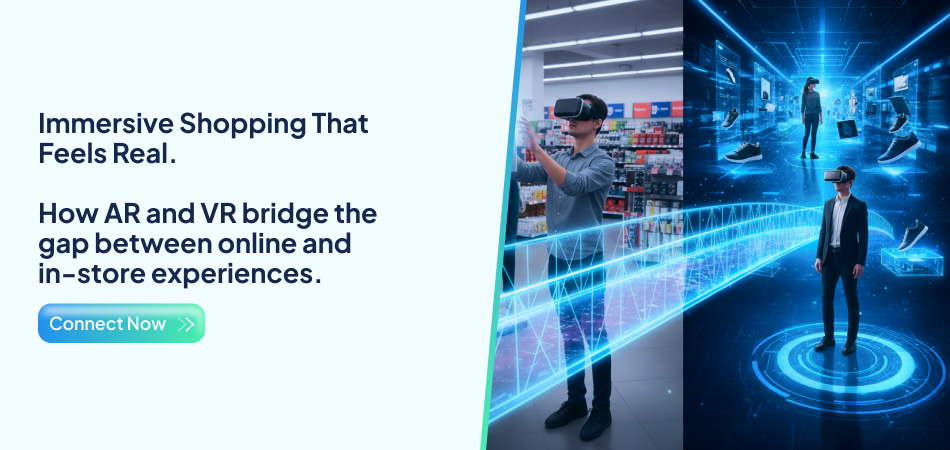 The Rise of Experiential E-Commerce
Both VR and AR are ubiquitous in e-commerce web apps today, and frankly, it is not difficult to understand why. Customers no longer have to scroll through pictures. When shopping online, customers like to know whether a sofa will suit their living room to avoid returns. No guesswork. No disappointment. Just confident decisions. It is precisely how VR app development is transforming customer experience in e-commerce web apps, transforming passive shopping into interactive and immersive experiences that are more similar to in-store experiences than ever before.
The Australian digital economy is growing, and e-commerce is a major contributor to retail income. It has led to a push in demand for e-commerce app development services, VR software development, and skilled app developers Australia who understand local user behaviour and compliance standards.
Virtual reality showrooms and augmented reality fitting will enable Australian clients to see their purchases, removing doubts and enhancing the online shopping experience.
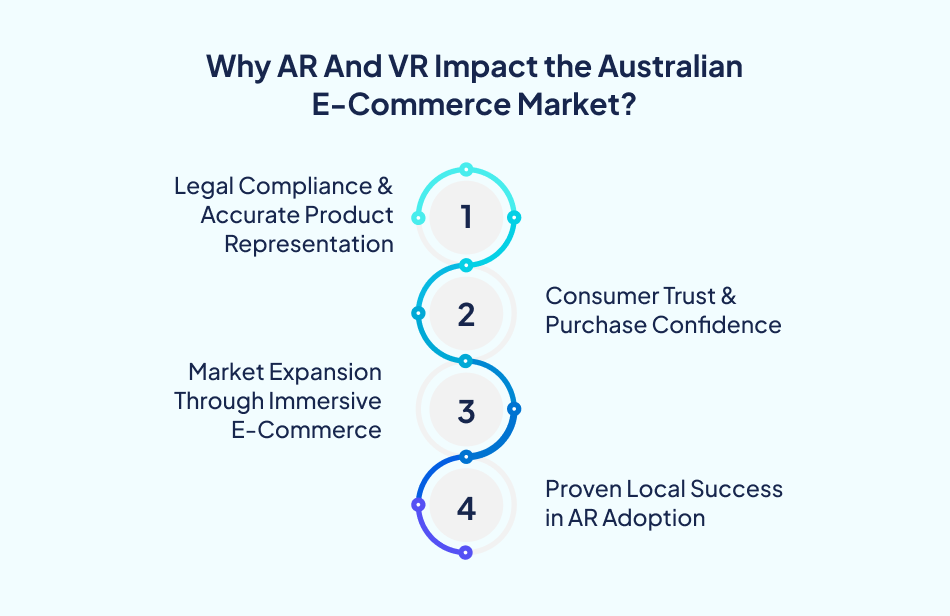
Australia has good consumer protection and advertising standards that mandate correct product representation. AR and VR in e-commerce can ensure that brands stay within the frame of criteria by giving products a visualisation and a realistic look, minimising misleading messages, reversal requests, and friction during refunds.
Australian consumers appreciate convenience, integrity, and rational decision-making. AR try-ons and VR previews this line of thinking, as they enable customers to see before purchasing, fostering trust and reducing purchase anxiety.
 3. Market Factors Affecting AR App Development
 For immersive e-commerce to flourish in Australia’s geographical space and growing digital-centric shopping environment, retailers require VR showrooms and AR applications to allow expanded access to consumers across the country via physical stores, as well as enhanced competitiveness in the marketplace.
AR previews help Australian furniture and fashion brands reduce returns and increase conversions, particularly for consideration purchases.
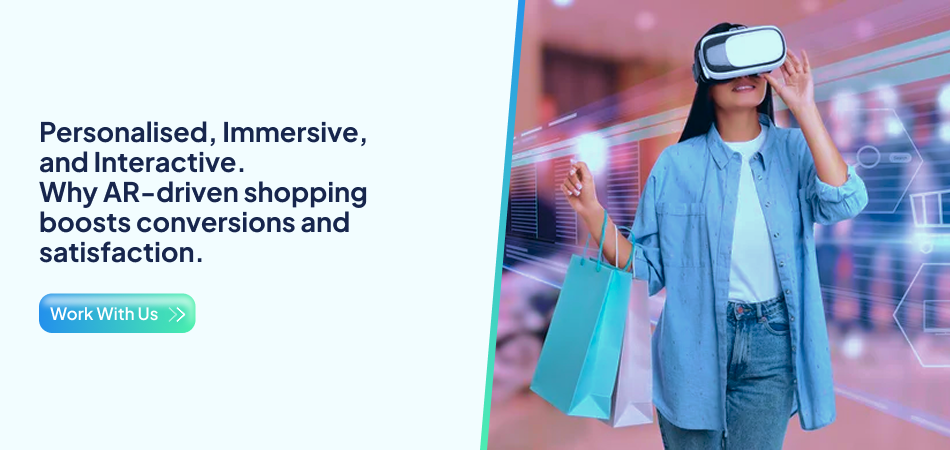
Virtual and augmented reality are two essential tools used for online shopping. These tools are capable of improving interactions, conversions, brand distinction, and customer experience.
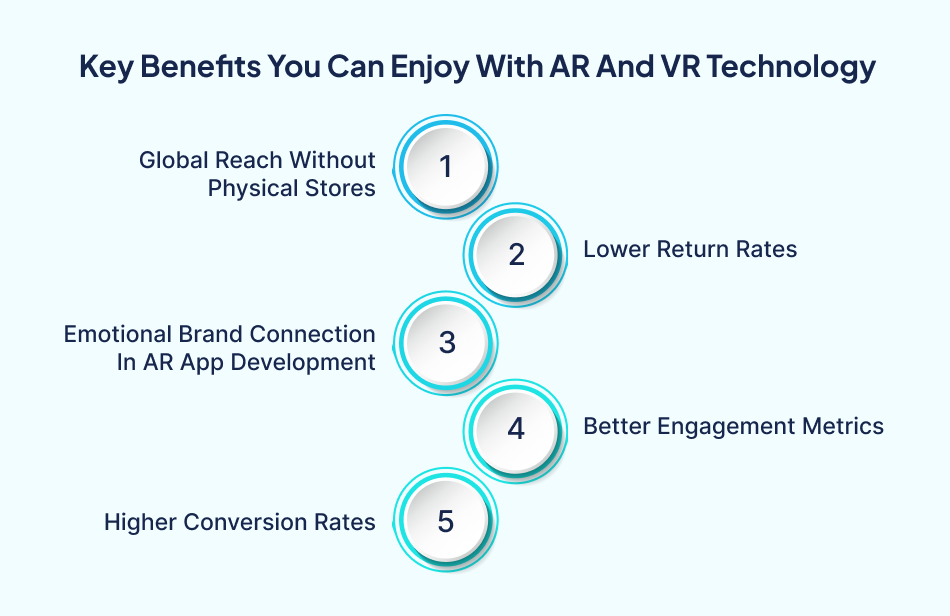
With the help of virtual reality, virtual showrooms offer a possibility for brands to attract clients from different parts of the world without physical stores.
The storytelling of space, sound, and engagement can be experienced in immersive environments, which establishes a deeper emotional connection with shoppers.
 3. Higher Conversion Rates
The more users engage with goods, the higher the rate of purchase completion as opposed to cart abandonment.
With correct previews, there is less difference between expectations and reality, and hence fewer incorrect purchases.
A talented VR app developer can contribute to the duration of the sessions and their revisiting by transforming browsing into exploration.
Immersive commerce relies on advanced features as virtual spaces, real-world visualisation, interactivity, accessibility, and platform security integration.
Customers can tour online stores, check collections, and view products as though they were in person.
Through AR app developers Australia, users can position objects such as furniture or decor in their personal space in real-time.
Users can rotate, zoom and interact with items, and learn more about the features and quality.
More and more mobile, tablet and desktop environments are optimised to feature immersive features.
 5. Redundancy-free integration
The capabilities are compatible with current e-commerce web apps without interfering with user flows.
Applications that are fundamental to sound Internet commerce will certainly deliver dependability, immunity to information security and evolutionary capacity.
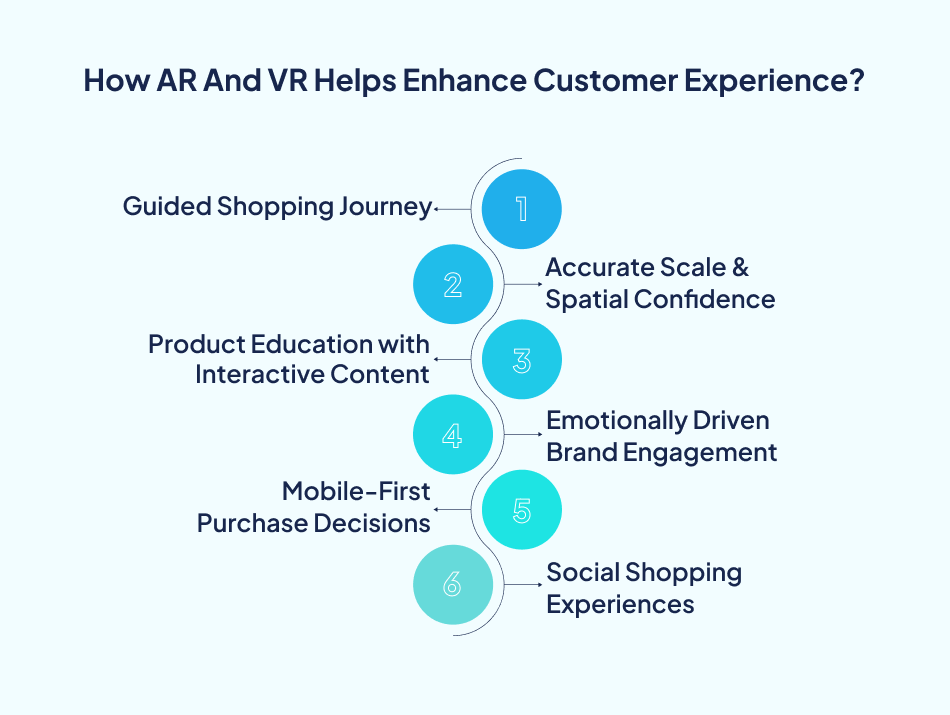 5. Mobile First Purchase Decisions With AR App Development
 Production quality for immersive experiences requires financial investment in design, testing, and repetitive implementation.
Maintaining a well-woven experience device is not an easy task because various hardware components can contribute to the level of user satisfaction.
There is a risk that some shoppers will find VR/AR features challenging to navigate without guidance, and that the features need to be designed intuitively and supported.
To be pristine, real, and captivating, virtual worlds and 3D resources entail continuous innovation and technical effort. A mobile app development company in Australia can help you manage your content.
Special teams understand immersive technology and consumer behaviour, and such teams are needed to have successful interactions in VR/AR projects.
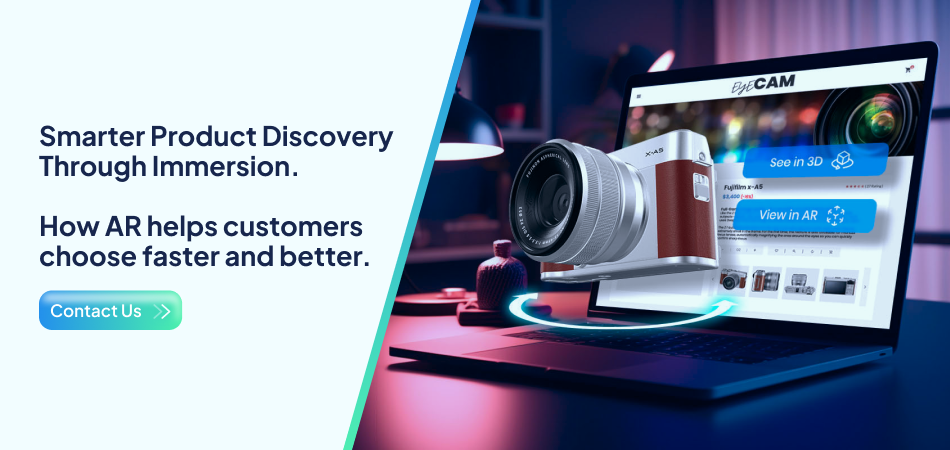 6. System Integration In AR App Development
 Adding immersive layers to the current e-commerce systems will involve selecting e-commerce app development services carefully and planning architecturally to prevent disruptions.
Immersive solutions will be available to any business in the near future as VR/AR technology becomes more established, and entry barriers will decrease sharply.
Increasing AI levels will generate virtual reality on the fly and adapt to the particulars of preferences and behavioural patterns to design a customised shopping experience.
Customers can still shop together in shared virtual environments, providing social interaction along with commerce in an even more immersive manner.
Professional developers will boost realism, performance, and usability, and provide consistency in quality experiences on different VR and AR platforms.
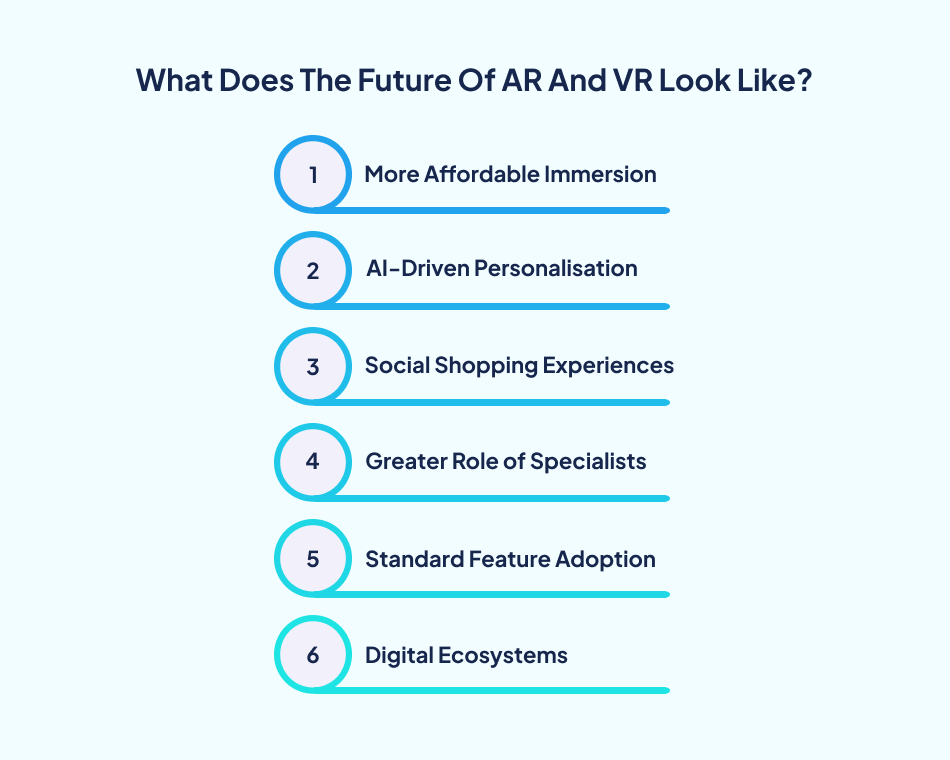 5. Digital Ecosystems
 Innovative app developers Australia will work with brands to build uninterrupted, fully immersive customer experiences that combine shopping, customer support, and personalisation.
A medium-sized Australian home decor retailer was experiencing low engagement and high returns because of poor online product visualisation.
The brand also launched AR-enabled item previews and a lightweight VR showroom experience in their mobile app, where customers can see items in real locations.
Customers took longer to browse and were more selective about sizing, style and location before making a purchase.
Within six months, the retailer experienced increased conversion rates, reduced session rates, and product returns.
AR and VR in e-commerce experiences can transform browsing into confident buying of Australian e-commerce brands.
VR and AR in e-commerce have become pragmatic instruments, transforming commerce with immersive previews and easier decision-making. Online brands have the means to reduce the risk of wrong choices, enhance customer interactions, and establish a relationship of trust. Such a change presents a genuine business potential. On-demand app developers Australia need to onboard these techs to sustain in digital markets that are fiercely competitive.
Having trained on-demand apps programmers will ensure that these experiences are not only creatively implemented but also strategically. Even mid-sized stores may compete with international brands, with the right approach. When trying out immersive commerce, connecting with on-demand app developers can guide you forward with full force and make experiences that customers will appreciate.
Q 1: What role are VR and AR playing in customer experience in e-commerce web apps?
Ans 1: VR/AR enables customers to see products in their real form, interactively explore functions, and make assured purchases, which minimises uncertainty and returns.
Q 2: Does iOS have support for AR and VR in e-commerce features?
Ans 3: Yes, expert iOS app developers create interactive AR and VR interfaces that are optimised to work on Apple devices, which can run smoothly and attract users.
Q 3: What is the interface between AR and VR with POS systems?
Ans 3: Current AR and VR apps are fully compatible with POS software systems to synchronise inventory, pricing and orders both offline and online.
Q 4: Can this technology be scaled to grow retailers?
Ans 4: Absolutely! AR and VR solutions can be easily expanded with the right iOS app developers and adaptable POS software when the business demand rises.


Partner with us to bring your vision to life.




 +61 (42) 108-3277
 contact@7pillars.com.au
 294A Station Street,

