Let's have a
Quick Chat
with you!
Quick Chat
with you!
You have our ear and we can't wait to hear about your idea! Share your details here and we will make sure to schedule a coffee date with you soon.




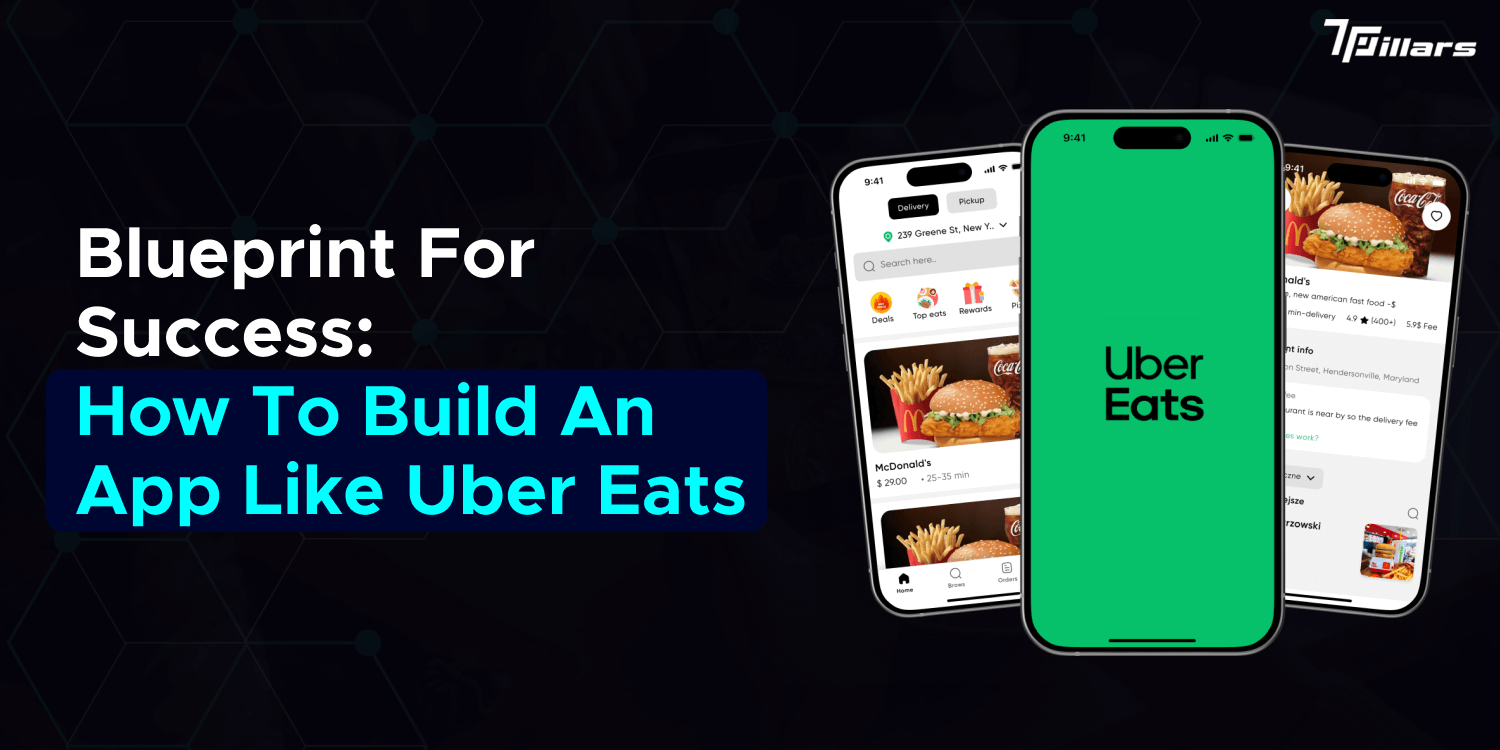
Do you eat food at home or do you eat out-of-home? Do you consider yourself more of a homebody who places more importance on being comfortable, fast and easy than on going out to pick something up? If so, by 2026, you will contribute to the continuously increasing demand for food delivery applications similar to Uber Eats, driving growing interest in understanding the cost to build an app like Uber Eats.
For these companies to keep up with changing consumer behaviours, they need to have interactive technology available to the customer. Convenience is not a luxury in the app economy; it is a necessity. Unless the brands in this highly competitive market remain a part of the digital experience, they will lose customers.
The ability to provide stable service, smart logistics, and reasonable prices has ensured that Uber Eats has conquered hearts globally. Its success has motivated other app development firms and entrepreneurs to develop similar platforms to earn recurring revenue opportunities. Food delivery services will be among the fastest-growing digital business models in 2026, with virtually no restaurant-to-customer connection, AI-driven recommendations, and optimised delivery services.
What do you want to have after a tiring day? Cooking is the last thing that likely crosses your mind at this juncture. You might pull up your Uber Eats App, browse through the listed restaurants they suggest, and have food ready for you to eat within minutes. Food ordering has become effortless, featuring enhanced pictures, food type filters, and suggestions.
In 2026, convenience will define how people eat. With the Uber Eats App, you have access to a variety of flavours from all around the world, without having to pull a physical menu from a restaurant. Users can discover what’s trending, as well as find new local and underground restaurants from anywhere and with just a couple of taps on their phone.
The site has revolutionised the way individuals learn about food. Whether it is late-night desserts or local food trucks and specialty bakeries, Uber Eats is keeping the home food experience fresh, every meal becoming a personalised experience delivered to the door.
Are you craving your favourite food? What do you do when you crave your favourite food but can’t leave home? It is where the food delivery app enters and acts like a saviour by helping you get your favourite food delivered to your home at an affordable rate. Uber Eats is an app for meal delivery that has won millions of hearts by catering nothing less than perfection at affordable rates.
The innovative yet brilliant app was released in 2014 by Uber to deal with the growing demand for food delivery apps and enter a new market niche. It connects the users to local restaurants, whereby they can order food from the comfort of an excellent user-friendly app or website.
The service is rapidly growing and is therefore available in many cities. It is a convenient option to enjoy many cuisines without leaving home. A consumer only needs to go through the menu items and different eateries in their neighbourhood. They can then input an order directly into the app.
Once a user orders, Uber Eats sends it to the delivery driver to pick it up from the restaurant and deliver it to the customer’s doorstep. A user can track their order in real time; they will receive updates on how long it might take for their food to arrive and where the driver is at all times.
Uber Eats accepts a range of payment options. For instance, in addition to credit and debit cards, Apple Pay and Google Pay are also available for clients. The application can also accommodate customized orders with special instructions for restaurant personnel.
In addition to ordering on the go at mealtimes, the firm has entered grocery delivery and meal kits to serve the shifting consumer needs. Uber Eats provides special promotions, discounts, and loyalty programs to make using the platform more rewarding for the user and conducive to repeat usage.
From the restaurant’s perspective, Uber Eats gives more visibility and access to more customers with easy overall sales. The business has drawn criticism for how it treats delivery partners and how easy and convenient its delivery system is. Uber Eats has transformed the food delivery landscape, making dining outside at home more accessible.
Uber Eats is a service with a strong growth trend in Australia since its launch in 2016. With the excellent logistics infrastructure and data-driven delivery systems, the platform can address changing consumer behaviour.
During the post-pandemic stage, the adoption velocity will be higher, and consumers will seek convenience, touchless delivery and service, directly influencing the cost to build an app like Uber Eats. Other functionalities, such as real-time tracking, AI-dedicated delivery routes, and restaurant onboarding, added to the overall satisfaction of users.
As of 2026, Uber Eats partners with over 20,000 restaurant partners throughout Australia and holds a large portion of the food delivery market. The average delivery time is not more than 30 minutes, facilitated by predictive demand forecasting and intelligent driver allocation.
It has since expanded to provide not only meals, but also goods delivery and day-to-day necessities, which has increased revenue by over 20% each year. These technologies highlight the adaptability and viability of Uber Eats within the competitive Australian food delivery system.
Uber Eats is growing rapidly due to its ability to provide customers with what they want on a daily basis, in a timely and convenient manner. In total, there are more than 90,000 restaurant partners globally with Uber Eats, enabling them to offer customers services and fine dining.
The application’s primary design features (pre-ordering, easy-to-use experience, simple payment functionality and connection with the Uber ride-hailing network) particularly appeal to Australian customers at this time. Several recent promotions and loyalty rewards continue to promote customer retention.
Uber Eats has achieved new heights during and after the COVID-19 pandemic through its quick pivoting and adoption of contact-free delivery products and services, changing its relationships with restaurants and local businesses. Such fast-moving measures, along with continuous development, influence the cost to build an app like Uber Eats in Australia and the rest of the world.
The utilization of online food delivery services has multiplied, especially in urban regions where folks may access them far more conveniently. Analysing this user consumption data enables such platforms to improve the quality of their service by tailoring recommendations.
After they take off in one area, popular apps spread out by branching into other platforms and services. Today, this sector stands at a whopping $1 trillion and is estimated to grow annually by 12.7%, meaning that it could expand and will be worth up to $2 trillion come 2027.
| Aspect | Key Benefit | How Food Delivery Apps Help? | Business Impact |
| Business Growth | Streamlined operations and higher revenue | Automates orders, payments, and deliveries | Higher profits and faster service |
| Customer Relationship | Better communication and trust | Live tracking, instant support, personalization | Improved loyalty and repeat orders |
| Business Promotion | Cost-effective marketing reach | Social media ads and app promotions | More downloads and brand reach |
| Customer Base Expansion | Wider audience reach | Anytime digital food ordering | Increased sales and order frequency |
Launching a food delivery system like Uber Eats would require traversing several convolutions and meticulous planning. A lucid strategy is needed to curb the online food industry into lanes to see where your service can stand out from the clutter of competitive offerings.
Some of these will include comprehending target markets, establishing relationships with local eateries, and developing effective logistics systems. Provide a compelling marketing plan and user-centred technologies to improve consumer involvement. Therefore, this will enable you to inscribe a lasting impression and develop a thriving brand in the dynamic world of food delivery services.
Before you dip your toes into the blooming market, you must understand what can go wrong and how to do things differently to avoid failure post-launch. The first stage of mobile application development for food delivery services shall be to look into your competitors, explore the trends prevailing in food management, and study the helpful delivery localities.
Implementing popular features in the food delivery mobile application will be highly beneficial. The app must catch the user’s attention because it will already be highly saturated with competitors, so it must offer some extraordinary features. You must understand an idea alone won’t lead your app to success once launched in the market.
After the initial proposals, the next option is to choose an appropriate delivery strategy: It is divided into two types of business models, including pure order-only and both order-only and delivery business. The two models involve order management and acceptance, but they are entirely different as far as logistics and operational management are concerned.
According to the order-only model, the application delivers food, and the restaurant earns its revenue through commission every time the application handles an order. In contrast, the order-and-delivery model makes commissions from restaurants but generally costs the restaurant a fixed price plus delivery fees in establishing such an order.
These variations affect the company’s overall profitability in the food delivery market and its operational costs and characteristics.
Selecting the right features for your food ordering application is critical to the success of your platform, especially if you plan to build an app like Uber Eats without the stress of failure after launch. The first important step involves goal setting since the goals will be your compass in the rest of the development process, right from choosing the design that has to be implemented to the features that must be incorporated in the final product to ensure that it meets customer needs and your vision, as well as your aims and objectives.
Features that enhance customer satisfaction include tracking systems, user-friendly interfaces, security concerns, and robust customer support features. Besides, recommendations concerning specific products and targeted bonus programs will help to retain the client. Regarding these features, it was possible to increase the probability of a successful start to develop an accountable platform that could satisfy customers’ expectations and avoid failure when going live.
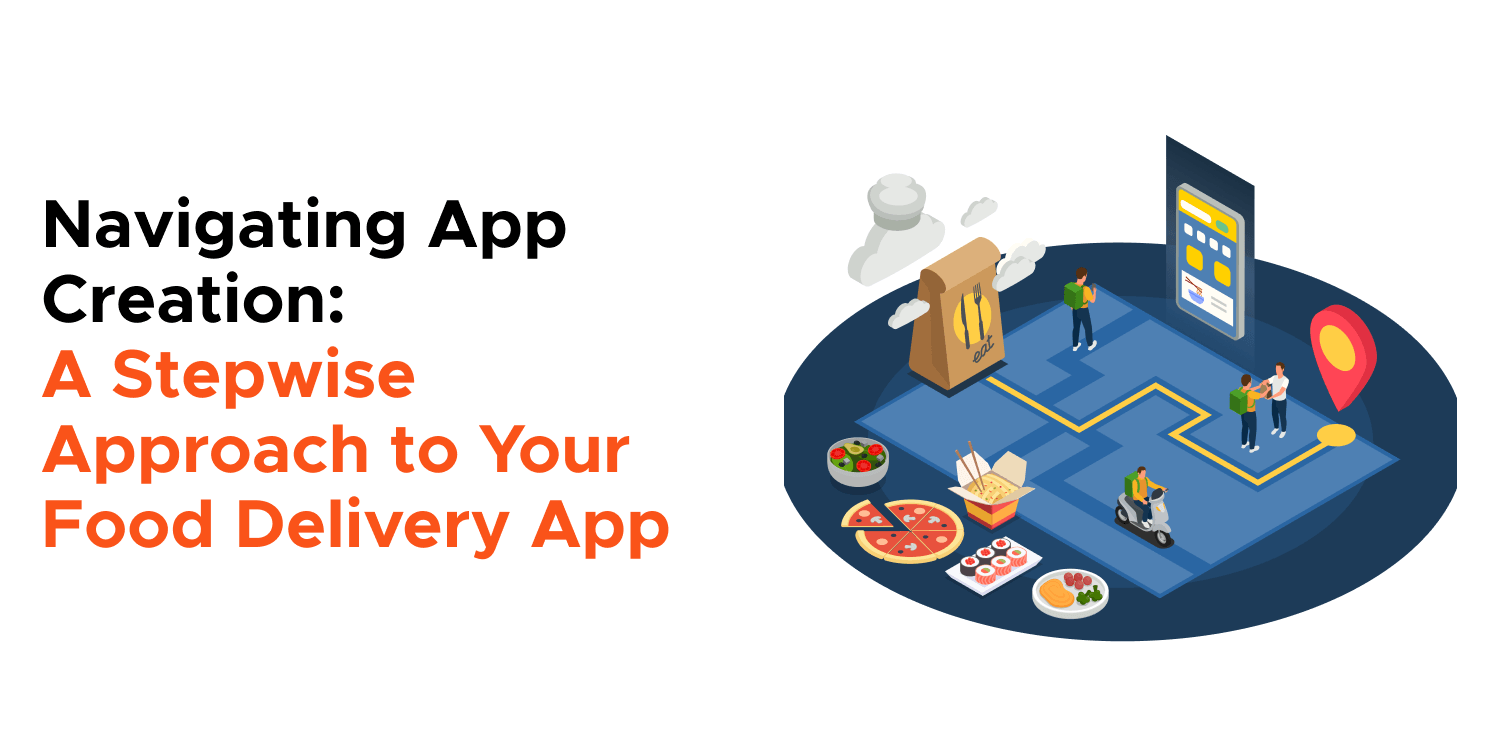
The tech stack for an app includes different frameworks, programming languages, libraries, databases, and tools working together in an application. While creating an app similar to Uber Eats, selecting the appropriate technological stack is crucial because it establishes the framework for a seamless user experience.
If you decide to produce this mobile app for Android or iOS or both, you might have to introduce different technologies to meet your ends. Native applications would mean that app code must be written separately for the iOS and Android platforms, using Swift for iOS and Java/Kotlin for Android.
In the cross-platform method, one could create a food delivery application from the back end to the front end with little complexity and low overheads, especially on developer and maintenance resources, while maintaining an exact experience across devices. This choice has a significant bearing on everything from the time it takes to build the application to certain aspects of performance.
It is a prudent step for a startup to engage an app-on-demand firm that is major in deploying MVP. An MVP means that having first launched an app, only the prime functions that fundamentally explain its work are included, with no added functionalities. The prime purpose for developing an MVP is to test the willingness of people to pay for your product and overall market demand on a shoestring budget.
It enables startup organizations to prove their ideas and develop them fully, after which they are adopted in the marketplace. Many of today’s successful businesses, such as Amazon, Twitter, and Spotify, started their initial development with an MVP and expanded it into global products. An app development company can turn your dream vision into a reality.
Thorough testing is a crucial component of creating an app like Uber Eats since it guarantees that the software is free of errors and bugs before it is released to the public, increasing the likelihood of its success. Before releasing your app, make sure it’s easy to use and works on all the platforms you plan to use. Get assistance with this phase from a mobile app development company that employs knowledgeable technocrats.
The technocrats will thoroughly test the app, including user acceptance tests to determine whether or not customer expectations are satisfied, integration tests to verify how app components interact, and automation tests to speed up laborious procedures and analyze individual components. You are setting yourself up for app failure after launch if you release the app without thorough testing.
After you are satisfied with your end-products, launch the app in the market among users with a bang. Hire a mobile app development company to help you launch your food delivery app to attract users and encourage them to use the app you created over your competitors.
A successful launch positions future customers to download and utilize it, while a poor launch only educates others about how it functions. The feedback systems, usage, and upgrades during this phase complicate and define the app’s performance in the e-commerce sector.
Marketing your product is equally pivotal to informing your target audience about your app and how it is better than the competitors to encourage them to use it over the competitors.
After creating an account and developing an app that people can download from the stores, the next thing is maintenance. This can be in the form of frequently releasing new versions to correct errors, adding new functionalities and increasing the apps’ friendliness. Performance indicators and client feedback should be monitored to identify any flaws.
Also, app obsolescence is a significant problem, so getting up to date with the industry trends and technology guarantees that users’ expectations are met. Daily updates not only make the app run well but also help to keep users happy.
While designing your application to be like Uber Eats, you should include a feature of a straightforward onboarding process that allows your target clients to sign up or register using email or phone numbers.
For instance, some apps target their clients with sophisticated login features so that the users can transact business with them. Customers switch to a more superior web app with characteristics that are comparable to yours if they aren’t satisfied with yours.Such an ID enables users to submit preferences and triggers tailored experiences when using an application or service to build an app like Uber Eats.
If you offer registration, you can also assume the user’s preferences, favourite food and restaurants based on their actions and passions. You can provide them with discounted meals or unique prices, as well as limited access to other products and services. Procure a professional Android app development company to assist you in integrating a smooth registration process.
Your Uber Eats-like app must offer to browse and search options for consumers to find the meals and restaurants they require. Ensure it has an easy-to-use interface with search functions that allow users to check product details, a search bar, a tab for results filtering, and some brilliant restaurant review videos.
The categories, tags, and suggested meals shown alongside the surfing experience are created based on the user’s interests and surfing history. The categories in the multi-system search can be arranged based on various factors, such as the quantity of meals bought, relevance, and the date of the most recent purchase. Work with a reliable app development company to include a search feature in your Uber Eats-like app.
A pivotal factor for developing trust and loyalty is a robust support system for the users. By offering various channels, including chat, email, and phone, consumers can select a communication method that best fits their needs and is more convenient for them. Prompt resolution of issues such as order discrepancies and technical difficulties will also be valued and contribute to a positive experience when selecting this kind of.
If the support team is well-trained enough to answer the inquiry efficiently, it helps to get a good experience. This helps solve problems in time, which boosts the user’s confidence about the application and instigates frequent visits for another order.
A well-functioning delivery management system is crucial for streamlining the logistics and finishing the job quickly. Real-time delivery assignment helps avoid delays because items are assigned according to availability and location, thus avoiding waiting time. Performance-tracking features allow managers to know how much delivery personnel are bringing value to their work. It can help with focus and proper training for improvement.
These advanced route optimization algorithms will help the manager understand what would make them the most efficient paths while reducing fuel consumption and delivery times. This holistic approach boosts productivity proportionally while improving customer satisfaction through timely delivery. Hire a leading app development company like 7 Pillars to help you integrate the latest features in your food delivery app.
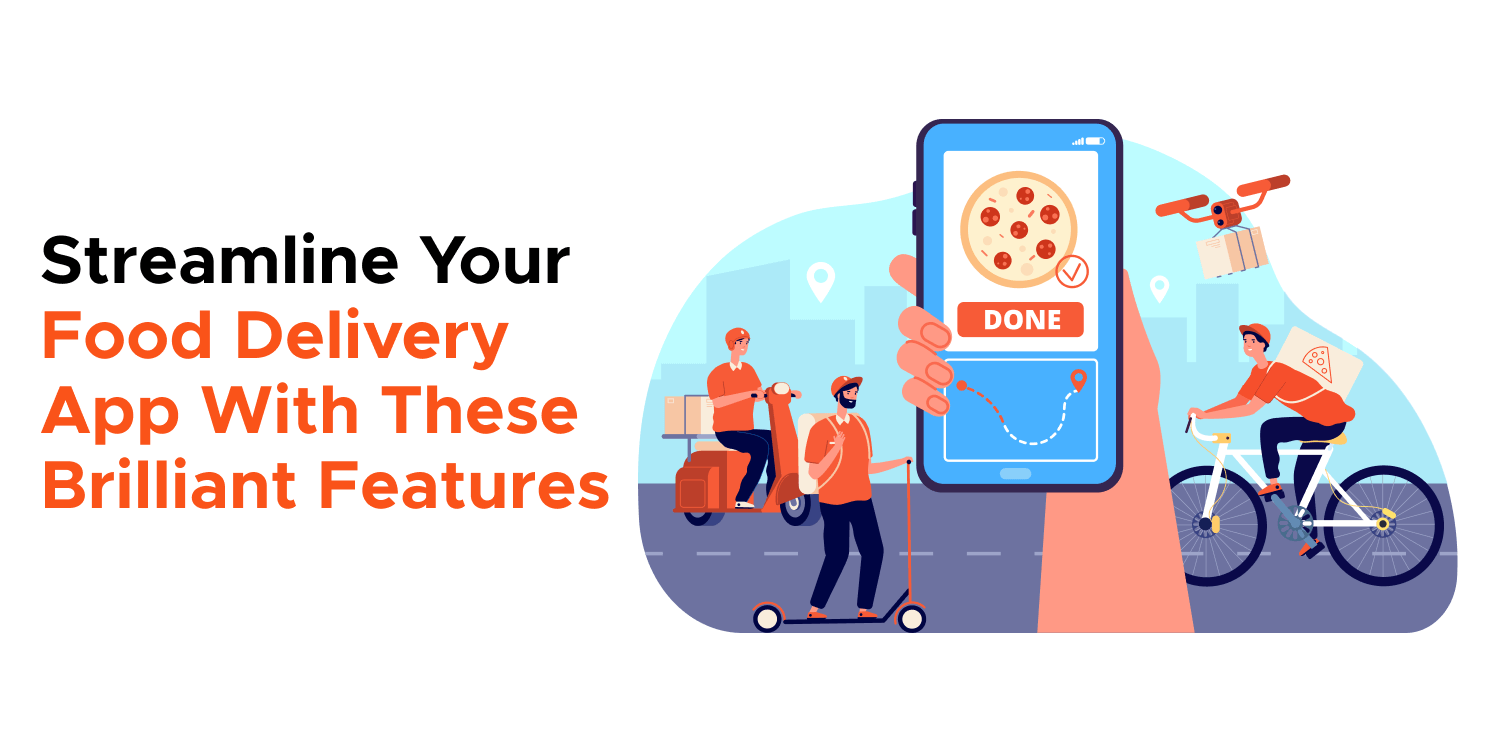
When it comes to drawing in and keeping customers, an efficient menu implementation strategy is essential. According to the Food Standards Agency and DEFRA regulations, the appearance of food on the restaurant menu needs to be depicted by quality images such as the food preparations, ingredients used in preparation, and the taste of the food preparation as described on the menu.
This improves visibility and gives people information about the available options. Continuing on the type of dietary preference or restriction would be adding labels like vegetarian, vegan, gluten-free, spicy, etc., which would allow the power to be in the hands of the user while ordering concerning choice or constraints. It can also handle and fulfil satisfy and error orders. A reputable Android app development company is your perfect partner to build an app like Uber Eats.
The users remain engaged with the application since push notifications give information on the order status, changes, and expected time for delivery, thus making the user feel connected to the order. Also, new users might benefit from promotions and the introduction of new restaurants to use the application. When customers receive pertinent and timely information, they may be satisfied. Outsource a reliable Android app development company to integrate this innovative feature since it is new to the generation of apps.
Another major one is user ratings and reviews of eating places and delivery companies. By doing this, the website would become more transparent and gain the trust of its visitors. The voice provided to customers makes it easier to get feedback that can be useful in developing foods and services to be used in future.
This is advantageous to the subsequent clients who will use them for guidance by making the right decisions according to their interaction with us. Besides, providing the consumers with the best evaluations and the overall score of each restaurant accentuates the authority of the restaurants themselves, which consequently raises the satisfaction of the business and members in general.
Allowing users to view their order history is a feature that will improve the application’s overall user experience. This helps customers to reorder their favourite foods with minimal clicks on the screen, saving time and effort. Collaborate with a mobile app development company to help you integrate similar features on your app.
Users can view past purchases to track where all their money is going and make more informed choices for their food budget. This feature facilitates ease while providing information about purchasing trends and encouraging client loyalty and repeat business.
Key factors contributing to the development of an Uber Eats-like app in Australia include cost factors that may or may not be standardized based on features, design, and technology. In general, if planning to create an application for food delivery, it will cost between AUD 150,000 and AUD 500,000.
| Stage | What Does It Cover? | Estimated Cost (AUD–2026) | Notes |
| Design & User Interface (UI/UX) | Wireframes, UI design, user journeys, usability testing | AUD 18,000-55,000 | Cost varies by design complexity and personalization level |
| App Development | Frontend + backend, iOS & Android builds, APIs, database | AUD 120,000-320,000 | Depends on tech stack, scalability, and integrations |
| Core Features | Payments, real-time tracking, user profiles, notifications | AUD 30,000-90,000 | Advanced features like AI or analytics increase cost |
| Testing & Maintenance | QA testing, bug fixes, updates, annual support | 15-25% of total development cost/year | Essential for performance, security, and OS updates |
| Marketing & Launch | App Store optimization, ads, influencer & social campaigns | AUD 15,000-60,000 | Budget scales with target market and growth goals |
In conclusion, one can state that despite a high initial capital investment, there are high chances for making good money in Australia by choosing the food delivery business as the type of market to operate.
With the advent of Uber Eats in 2026, we will see applications created that will utilise technology, logistics, and connect people. The growing demand for convenience-based services, AI-driven personalization, and local delivery options will continue to shape the cost to build an app like Uber Eats, while creating profitable opportunities for emerging food service businesses.
At 7 Pillars, a reputable mobile app development firm, we help companies transform ideas into high-performing food delivery platforms. Our technocrats guide you in market research, introduction and growth. Get in touch with 7 Pillars now and begin creating your Uber Eats-like application without hesitation.
Q 1. Why not have businesses employ professional iOS app developers when it comes to food delivery apps?
Ans 1. Vast iOS app creators ensure safe transactions, seamless user interface reactions, and flawless communication with third-party applications, allowing food delivery applications to scale effectively and align with the latest Apple requirements.
Q 2. What is the integration of pos software with food delivery applications such as Uber Eats?
Ans 2. Pos software (modern) synchronises menus, pricing, and the status of orders in real-time, which minimises error in the manual process and enhances coordination between delivery platforms and restaurants.
Q 3. Are food delivery apps possible without sophisticated pos software systems?
Ans 3. Simple systems might serve, but sophisticated pos software is the key to managing high-order quantities, inventory, and automatic reporting in expanding food delivery companies.
Q 4. Do iOS app developers provide long-term maintenance of apps and upgrades?
Ans 4. Yes, competent iOS app developers will offer periodic changes, performance improvements, and security upgrades to ensure that food delivery apps remain a competitive option in 2026 and beyond.


Partner with us to bring your vision to life.



 +61 (42) 108-3277
 contact@7pillars.com.au
 294A Station Street,
