Let's have a
Quick Chat
with you!
Quick Chat
with you!
You have our ear and we can't wait to hear about your idea! Share your details here and we will make sure to schedule a coffee date with you soon.


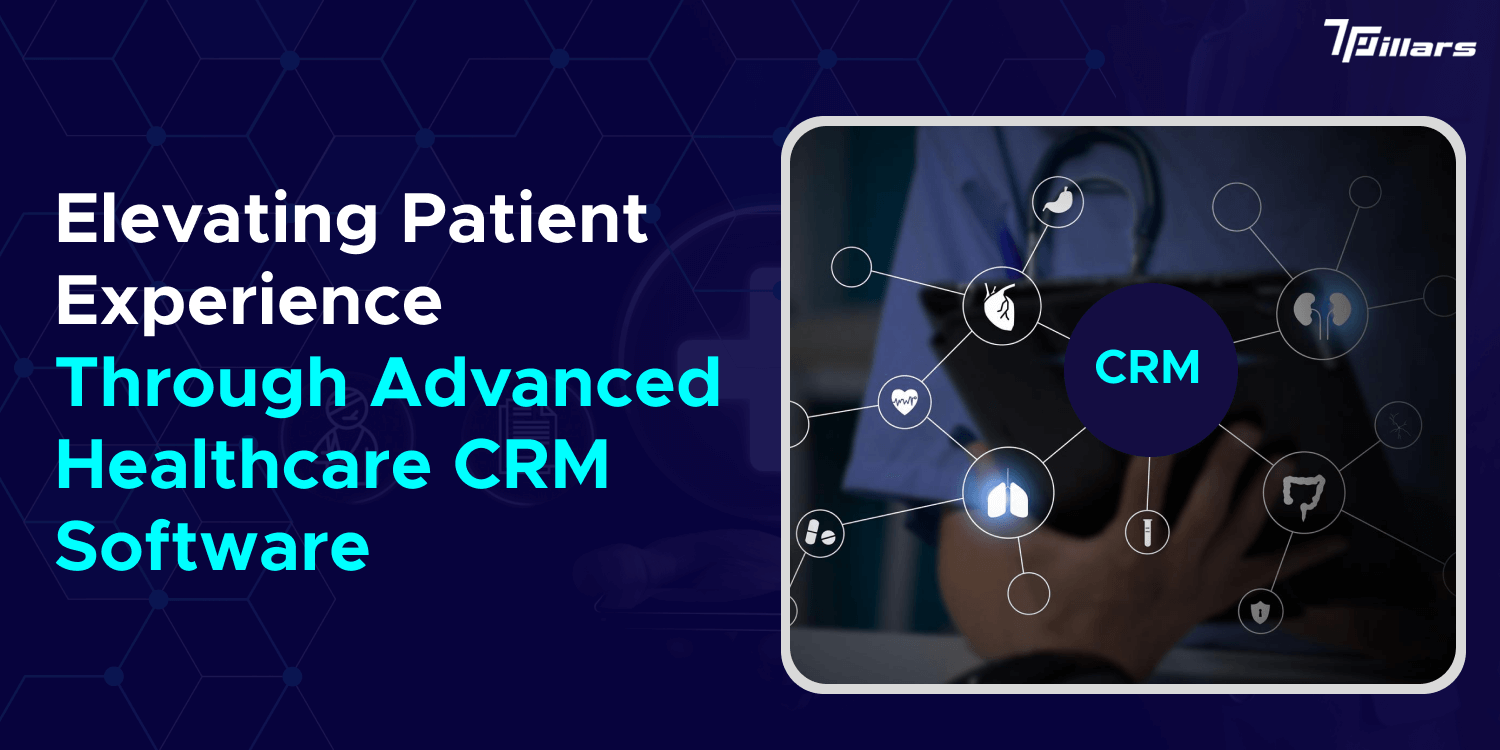
Innovations in healthcare CRM software development have transformed the healthcare environment in 2026 into a more patient-centric one. Artificial intelligence-based patient insights, remote appointments, and customised treatment plans have become the new norm, allowing healthcare providers to offer more proactive and effective healthcare experiences. CRM systems have been invaluable in the hands of hospitals and clinics to centralise patient information, improve communication, and build long-term trust.
Effective utilisation of treatments, medications, and provider-patient relationships remains one of the fundamental aspects of healthcare. In addition to clinical skills, the nature of contacts between patients and providers usually defines the perception of a healthcare institution. CRM solutions in the modern world help make sure that these interactions are both regular, individualised, and efficient, building closer relationships and enhancing compliance with care plans.
A strong CRM platform is no longer optional in the current competitive healthcare market environment. It helps organisations to predict patient needs, enhance operational processes, and sustain quality care. Compassion and professionalism are two inseparable concepts, as in the medical oath.
Healthcare has gone way beyond appointments and prescriptions. Recent CRM systems enable pre-assessment of patients, facilitate interaction, and develop substantial relationships between providers and patients.
High-tech CRM systems facilitate individualised care, preventive monitoring, and anticipatory treatment. Research indicates that most patients today (78%) are choosing healthcare providers who possess attention and empathy skills.
A switch occurred at an Australian hospital midway through 2025, with patient details starting to flow into one CRM hub instead of scattered files. Follow-ups, once manual, began running on automated cues. Attendance climbed by nearly a third over the next few months. Doctors noticed conversations with patients felt more connected. Care routines adjusted smoothly, fitting lives better than before.
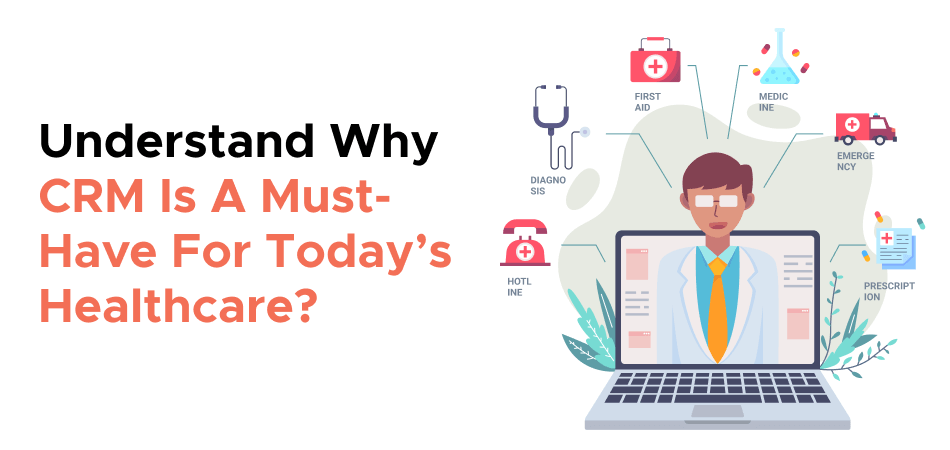
Well, I am sure most of you must know what CRM is and its role in the healthcare system. Still, for probing minds, CRM is a patient management tool designed for healthcare institutions to facilitate communication between healthcare professionals and patients, thus helping them build a stronger emotional bond.
The software works religiously to knit multiple data sources together, including demographics, financial and social behaviour, provider credentials, etc., to provide healthcare professionals with a comprehensive sight of a patient’s habits and needs. The primary goal of this brilliant tool is to engage, acquire, and retain patients effortlessly by helping professionals and patients build a better bond.
Customer Relationship Management (CRM) in healthcare refers to strategies and technologies used by healthcare organizations to manage patient interactions and improve relationships throughout the care journey.
The software produces reports and analytics to assist healthcare organizations in improving their comprehension of patient behaviour and operational effectiveness. CRM helps you connect with and manage your patients even before they have reached your institution for post-treatments.
Imagine a patient connecting with your team at a call centre enquiring about a treatment plan for scoliosis. There are specific requirements for the treatment, and healthcare CRM software development ensures these are immediately sent to the patient before their first session.There are particular requirements for the treatment. Healthcare CRM will immediately send them the requirements they must follow before their first session. CRM can support patient engagement by providing portals for easy access to health records, enabling secure messaging with providers, and fostering community through support groups or forums.
Ultimately, efficient CRM in healthcare aims to enhance patient satisfaction, improve health outcomes, and boost operational efficiency, ensuring that patients feel valued and supported throughout their healthcare journey. As the industry evolves, CRM tools have become essential for fostering loyalty and building long-term relationships between patients and doctors.
The use of CRM in Australia is still accelerating because of its capacity to enhance patient contact and business understanding.
A healthcare CRM system that is specifically tailored to meet the various issues specific to the medical sector is one of the many that the industry has gradually begun to use. Such systems facilitate the management of patients, communication and the delivery of services.
Subcategories of healthcare CRM solutions are patient engagement solutions that concentrate on how the healthcare organization can interact with a patient, revenue cycle management solutions designed to manage the billing and collection process, and analytical solutions that can study the patient’s actions and outcomes.
Patient satisfaction is a pivotal factor in determining the success of a healthcare institution, as it plays a direct role in retaining patients while impacting staff spirit and operational efficiency, thus leading to improved health outcomes and financial performance.
The CRM customer service solution helps enhance the overall experience of patients in healthcare patients by providing efficient tailored assistance. It encompasses the systems managing service tickets, patient-doctor live chats and feedback.
It helps healthcare institutions respond to patient queries, concerns, and remarks quickly, thus fostering a robust bond between patients and doctors to help increase patient satisfaction.
In a healthcare organization, an efficient custom CRM for health augments the stakeholder’s communication and ensures the smooth flow of information in all dimensions. Integrating outside partners such as clients, vendors, patients, suppliers, and allies fosters a collaborative environment crucial for optimal patient care.
Therefore, this interconnection allows the providers to collaborate closely over a myriad of patient care plans and ensures improved scheduling for appointments along with streamlined treatment planning. With such real-time sharing of data and communication, the CRM brings better operational efficiency and leads to better patient outcomes and satisfaction in the healthcare ecosystem.
Wouldn’t it be nice if you didn’t have to spend hours manually entering patient details and needs in systems? Thanks to operational CRM, it is no longer a far-fetched dream but a beautiful reality. A system of operational CRM streamlines and automates several administrative procedures within a healthcare organization, thus leading to significantly improved efficiency.
They, for instance, look after crucial issues under the umbrella of patient registration, appointment scheduling, billing, and even inventory control. Being agile and implementing AI-driven capabilities, these CRM solutions free the healthcare staff from the shackles of tedious routine administrative work to help them engage with patient care and caregiver interactions. Error rates go down and workflow becomes more efficient. As a result, the healthcare system is more responsive and well-organized.
Keeping an eye on patient data is an essential part of ensuring top-notch patient care is provided by healthcare institutions. Analytical CRM solutions make it possible for healthcare professionals to effortlessly track patient data and use it to offer their best services according to their needs.
Such advanced business intelligence and data analysis through analytical CRM software can be beneficial for healthcare practitioners to gain insights into patient behaviour, review treatment outcomes, and measure overall operational effectiveness.Proper analysis of this information highlights emerging trends in health organizations and emphasizes the role of healthcare CRM software development in helping healthcare staff better anticipate and meet patient needs.
In addition, it enhances decision-making, thus serving the purpose of even better allocation of assets with a view to resource maximization in cases where it is most needed. Analytical CRM helps healthcare providers care for the patient better, while becoming efficient operationally, thus delivering better health benefits.
Marketing is another essential aspect of ensuring patient attraction and retention by target advertising through flyers and posters pointing out their best features and practices. Marketing CRM enables healthcare recruiters who want to attract and engage patients through proper advertising and communication skills.
Utilizing Marketing CRM software, an organization can segment patient groups efficiently to tailor the marketing message to those whom it will impress and relate with best. With these solutions, healthcare organizations can create tailored outreach and improve patient-business interactions.
Another characteristic of such systems is that they allow the tracking of campaign effectiveness; this information leads health businesses to understand the response of the patient and their preferences, which gives them a guideline on how best they may eventually enhance their marketing activities to engage the audience and retain it better.
Healthcare organizations leverage CRM to improve patient and service experiences through streamlined business operations that ensure better results. These tools ensure effective healthcare provider-patient communication, thus avoiding late follow-ups and incorporating personal care for every patient.
CRM systems further aid in effectively managing patients’ data to minimize the burden of administrative duties and enhance workflow. The system assists healthcare organizations in analysing interactions with their patients and patient comments, making appropriate decisions towards more effective service delivery. In the final analysis, healthcare CRM solutions support a patient-centred approach towards better health outcomes and satisfaction.
Everyone knows the words of renowned entrepreneur, Steve Jobs, stating “Get close to your customers to the point, where you can point their needs before them, thus helping you retain them”. Patient data management is pivotal for delivering top-notch medical treatments to ensure accurate and speedy diagnosis.
CRM software solutions for healthcare institutions thrive at consolidating patient data, including treatment plans, medical histories, and billing information, into a single, well-organized database. This helps healthcare professionals access current, reliable patient data, thus helping them provide the best clinical decision aligning with patient needs, care and post-treatment plans.
Wouldn’t you like it if you got personalized treatment plans without healthcare professionals undermining your pain and problems? CRM solutions for the healthcare industry help doctors provide their patients with tailored care, thus allowing them to enhance patient engagement.
The innovative solutions provide features, including secure patient portals, telemedicine services, and appointment reminders to healthcare professionals and patients, which help them improve their relationships. Empowered patients will likely adhere to their treatment plans, form closer bonds with healthcare providers, and actively participate in their care.
Another good aspect of CRM solutions for healthcare organizations is its ability to help doctors provide meaningful and personalized patient experiences thanks to its data analytics power. The brilliant technology effortlessly customizes communications and care plans akin to patient demographics, clinical history, and preferences.
The development of CRM for healthcare improves the capacity of an organization to evaluate and quantify business information. It offers enlightening information and live knowledge to its consumers, including healthcare deliverers, insurance underwriters, and policymakers.
Further, CRM systems discover areas where patient care may be improved and provide valuable insights relative to insurance organizations and healthcare authorities. Also, by analysing trends using massive data analytics, healthcare organizations can determine future care plans.
It also allows them to allocate resources in advance, increase patients’ quality of care, and advance the general quality of the treatment, thus helping make for a better healthcare facility.
As a healthcare institution, wouldn’t you love to reduce costs and workload to help you save big bucks? Thanks to the invention of healthcare CRM solutions, you can do this without spending a fortune. The benefits of healthcare CRM solutions extend past patient care and assistance, as they help healthcare organizations to significantly cut costs by providing features like referral management, inventory tracking and automated appointment making.
These features reduce the risk of making mistakes and reduce the work staff a healthcare organization has to employ to do similar tasks. Additionally, it helps avoid manual data entry, freeing them up to spend more time tending to patients. A leading mobile app development company, like 7 Pillars, can help you build CRM solutions that cater to your needs within your budget.
They can help you integrate Electronic Health Record (EHR) systems in your app to allow seamless data interchange and communication between staff to improve the overall workflow. Ultimately, these small changes help to significantly cut costs, which helps ensure a healthcare organisation can continue to operate financially over the long run.
Being better than your competitors is an essential part of remaining in business and CRM solutions for healthcare organisations help you achieve the same through its brilliant capabilities.
Hire a reputable app development company in Sydney to help you build solutions that help you gain a competitive edge over your competitors through improved patient care, experiences, productivity and data-driven decision-making. This allows organizations to gain an edge over competitors by building a robust market presence and drawing new patients effortlessly.
Systems developed to strengthen a CRM foster healthy teamwork between the medical profession, doctors, and others involved in treating patients. It does so by facilitating the task assignments, through an encrypted messaging process that allows the communication concerning a patient’s needs to be streamlined and ensures uninterrupted care.
An integrated approach from these systems reduces the redundant workload and enables healthcare professionals to focus on patients’ needs. It leads to coordinated care, improved patient outcomes, and increased holistic approaches to health delivery for mutual benefit to patients and providers.
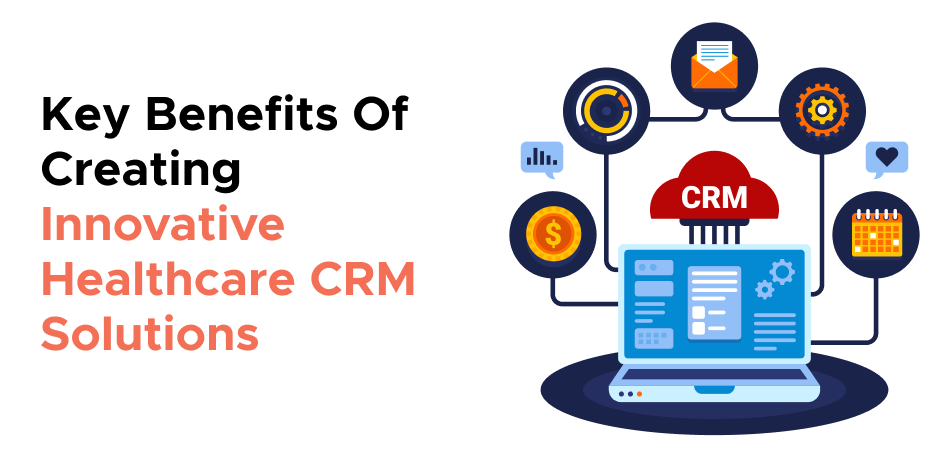
This AI-enabled healthcare CRM is built through a systematic approach based on the unique needs of healthcare organizations. It starts with deep research into the issues unique to healthcare professionals, like patient management, regulatory compliance, and data security, involving prime stakeholders, such as doctors, nurses, and administrative staff, during design.
Another value add is the efficiency and engagement of patients through advanced AI features incorporated into the system, such as predictive analytics and automated patient outreach. Finally, a nicely designed CRM should streamline operations, and enhance communication to ensure better patient outcomes.
Before you start on your journey to create CRM solutions for your healthcare organisations, research patient needs and how you can solve these issues during the entire process. Gather data on your competitors to understand how you can stand apart from them and attract patients towards your organization.
It involves essential parties, including IT teams, administrators, and physicians working together to find and create suitable solutions. Hire an Android app development company to help you understand and conduct user research, workshops, and interviews to determine crucial features, functionality, and integration requirements. CRM solutions also assist you in effortlessly navigating through the latest industry trends, legal compliance, and technologies.
The solution architecture and design could define the system framework following the requirements stage of the healthcare CRM software development process.Establishing these will include determining the front-end interface, the back-end functionality, and the database structure as applied.
Integration points with other healthcare IT systems must be determined. High emphasis is laid on UX and UI design, so the CRM feels user-friendly, resource-efficient, and tailored to meet the needs of patients and care providers. A patient will stay with you if your user interface allows effortless navigation with an aesthetically pleasing design involving bright and bold colours.
Prototypes, mock-ups, and wireframes are created at a detailed level where people will validate the design before the development of the final product begins.
It is one of the most crucial steps in the CRM solutions development process, as it will either make or break your app. Several technologies are in the market, leaving you to wonder which one is the best to implement in your app.
Hire a leading Android app development company comprised of software developers, project managers, quality assurance engineers, and DevOps specialists to help you navigate the technological market and implement the best available solution for your app. The team will help you link the CRM solutions with your infrastructure effortlessly.
Using the technical stack in developing a CRM solution means choosing and applying the technology that enables the successful work of the CRM system. Such decisions include deciding what programming language to use, what framework, and what type of database and cloud services, are considered in achieving the projects’ aims and objectives.
Developers develop and deploy the front and back end of applications to help establish good integration between the two. Precautions are taken for the data safety that is collected.
It’s imperative that you thoroughly test your solutions before releasing them to make sure the finished result is flawless, easy to use, and runs well on all the platforms you want to use. This stage in CRM software development involves transferring patient data and provider history, thus requiring a solid plan for safe transfer. Hire a mobile app development company in Perth with an efficient team to create a comprehensive plan to transfer data from outdated systems to new ones safely.
The team will conduct thorough testing such as user acceptance tests, which assess whether or not customer expectations are being met, integration tests, which look at how app components interact, and automation tests, which simplify laborious processes and analyse individual components. Extensive testing guarantees that the solutions with excellent performance are ready for release. Healthcare professionals test the solutions to ensure they can use them effortlessly.
The solution launch is one of the most crucial phases in app development, so once your app has undergone extensive testing and you are happy with the outcomes, you need to work on it. Before launching the CRM solutions you need to train medical professionals to use them effectively, ensuring they know about the best practices, features, and functionalities of the system.
Healthcare staff members undergo thorough training to enable them to utilize the CRM system’s features and functions efficiently. The CRM system is deployed in the organization’s actual environment.
CRM solutions maintenance and support are the prime preconditions for forming lasting success in healthcare solutions development. Continual performance monitoring and user feedback analysis, along with timely updates and implementations, are essential for enhancing the security, competitiveness, and user-friendliness of an app, underscoring the importance of healthcare CRM software development in the evolving market.
By providing users with enhanced maintenance, you create an amazingly stable and satisfying application, which leads to an increased number of users using your application. Hire a brilliant React Native mobile app development company to help you work wonders on your CRM solutions.
The cost of building a healthcare CRM solution in Australia can vary based on the complexities, features, and integrations. Projects classified as small to medium range often begin around AUD 50,000 and go up to AUD 200,000 or more for larger systems.
Key cost components include:
Custom development is charged per hour, thus the costs can vary between $100 to $250 per hour based on the level of expertise of developers and the technology stack used.
Advanced features like analytics, access to telehealth settings, and AI-driven insights are more expensive than fundamental functions like patient management and appointment scheduling.
They must follow strict regulations like HIPAA or local privacy laws, which might add to development costs due to additional security implementations.
When you have to integrate with existing systems (EHRs, billing systems), costs irrevocably rise — and this integration work usually requires very specialized knowledge.
Before starting the construction of your CRM solution, account for the recurring expenses related to server hosting, upgrades, and maintenance (often 15-20% of the original development cost yearly).
Your organization will need to evaluate what it needs from the healthcare CRM to gauge just how much investment is a real one.
Fresh into 2026, CRM tools in healthcare shift how clinics support people and tasks. One system ties together medical history, outreach, and virtual visits, enabling follow-ups to happen before problems grow. Messages go out on time, not thanks to the built-in timing that works. Patients notice they’re recognised, not processed, which changes how they see their care team. Behind the scenes, staff handle less chaos since routines adapt without constant oversight.
A fresh take on digital health tools begins when clinics team up with skilled builders such as 7 Pillars. Through Flutter mobile apps, smooth performance flows from one device to another. Every intelligent action has an operational framework that supports the patient base in addition to improving daily operations. Wherever today’s CRM use meets actual requirements, there is access to long-term profitability. Making choices now is the foundation for remaining viable in a constantly evolving marketplace.
Q 1. How can an iOS app development company help integrate CRM with POS software?
Ans 1. Through automated and effective financial processes, an iOS application development organisation can combine healthcare CRM with POS software, simplifying the billing process and improving accuracy and patient experience.
Q 2. Can POS software improve patient payment experiences in healthcare apps?
Ans 2. Yes, POS software with an iOS app development company enables easy payments, minimises errors, and guarantees seamless patient billing, enhancing customer satisfaction and operational efficiency.
Q 3. Can patient payments and treatments be tracked jointly?
Ans 3. Patient billing and treatment history are synchronised by incorporating POS software using an iOS application development company, which forms a single system that is easy to manage and report on.
Q 4. Why should CRM be used with POS software?
Ans 4. The integration of CRM and POS software through an iOS app development company improves communication, workflow management, billing precision and patient satisfaction.


Partner with us to bring your vision to life.




 +61 (42) 108-3277
 contact@7pillars.com.au
 294A Station Street,
