










The COVID-19 pandemic proved to be a lesson for individuals taking their health for granted by teaching them the importance of life as millions lost their battle against the disease across the globe. The ever-evolving technological realm gives birth to different technologies to make the lives of individuals convenient and effortless by streamlining the distinct processes from the comfort of their four walls. An experienced healthcare app development company can help you align yourself with the current technologies.
Mobile phones have become essential healthcare devices that have facilitated. Users can make an appointment, check a prescription, track vital parameters, and connect with a specialist in real-time. As a medical worker or application developer, one needs to offer safe, compliant, and simple-to-use apps.
The future of healthcare delivery, the advent of artificial intelligence, machine learning, predictive analytics and virtual care platforms is changing in 2026. These innovations make it easier to make clinical decisions, customised treatments and surgery that is simpler to execute in smart ecosystems.
Growth Of Healthcare Apps –
In 2024, it is possible that policymakers will consume about 3.6 billion health/wellness application downloads. The worldwide mHealth marketplace will have grown to nearly USD 49.7 billion by 2026, with additional individuals adopting digital solutions in their health and well-being (e.g., chronic condition management, access to remote care).
The growth in demand for personalised care, constant health management, and convenience-based services. The use of apps to monitor blood pressure, glucose, fitness, and mental health has become standard among mobile users. The integration of digital tools by healthcare providers is more prominent than ever, which makes healthcare apps the core of a modern medical ecosystem.
Statista:-
The overall digital health market is expected to grow substantially, with total revenue surpassing 483 billion by 2026 and continuing to increase to 1.17 trillion by 2035. The expansions underscore the timeless importance and investor confidence of healthcare mobile applications as an essential part of the digital care strategies in the global arena.
Growth After The Pandemic–
Healthcare apps were first developed in 2008 and did well among tech-savvy individuals, but the use of these apps has changed its course over time due to the growth in user demand following the COVID-19 pandemic when everyone went under forced lockdown.
The COVID-19 pandemic led individuals to question how to fulfil their basic needs like grocery shopping, consulting a doctor, and purchasing medical goods and medicines, thus driving the surge in the growing demand for digital solutions like mobile apps to help themselves.
After the pandemic ended, people realised how convenient it was to consult a doctor from their homes without struggling with the daily traffic and long waiting lines in hospital hallways.
It led them to adopt the digital solution, healthcare mobile apps, faster than before the pandemic, thus leading to significant growth in the app demand among users globally.
What Is A Healthcare App?
Now, I am sure most of you must know what a healthcare app is and how it benefits individuals. Still, for the unaware souls living under a rock, a healthcare app is a tool designed by app developers to make life convenient for patients by allowing them to make doctor appointments from their homes.
Mobile healthcare apps perform a variety of roles, including easing patient-doctor interactions, giving health information, monitoring chronic illnesses, and maintaining medical data securely.
A mobile healthcare app allows users to manage their health effectively by providing them with tools for scheduling doctor appointments, receiving reminders for their medicines, and accessing their medical records from their homes without trouble.
Most of these healthcare apps have tracking systems enabled to help users keep track of their glucose levels and other medical needs.
Types Of Healthcare Apps
The fast-paced digital era has transformed the Australian healthcare industry, with healthcare mobile apps leading the charge by making it convenient for users to consult a doctor and gain medical advice from them from their homes.
This revolution in the healthcare industry has changed people’s outlook towards booking appointments and consulting a doctor any time from their four walls by shifting the healthcare experience for worry rats.
|
App Type |
What Does It Do? |
Key Benefits |
Ideal Users |
|
Doctor On-Demand App |
Enables virtual consultations via video calls |
|
Busy professionals, travelers |
|
Reminder Apps |
Sends alerts for medicines & health tracking |
|
Elderly, chronic patients |
|
Dieting Apps |
Tracks diet, calories & fitness goals |
|
Fitness-focused users |
|
Medical Records App |
Digitizes patient health records |
|
Doctors & patients |
|
Mental Health Apps |
Provides therapy, counselling & support |
|
Anxiety, depression patients |
|
Women’s Healthcare Apps |
Tracks menstrual cycles & prenatal health |
|
Women of all age groups |
|
Chronic Disease Management Apps |
Monitors long-term health conditions |
|
Diabetes, BP patients |
|
Pharmacy Delivery App |
Delivers medicines to the doorstep |
|
Elderly & working users |
Steps To Develop A Healthcare Mobile App-
Developing a healthcare mobile app is complex, especially considering the critical and diverse nature of the medical field due to these apps requiring stringent security measures and compliance with the guidelines and regulations of healthcare to address the wide range of user needs.
However, if you are an entrepreneur looking into developing a healthcare app, then there is an array of things you need to keep in mind for it to be successful, and a reputable app development company can help you achieve it.
1. Market Research –
Market research is the first and pivotal part of developing an app that does well in the market due to its ability to help developers identify target audiences and user preferences by accessing the competition and needs of the hour.
This step ensures that the app developers and healthcare providers understand how the app would work in the market and its benefits.
2. Prioritize Unique Features-
One thing you need to do to ensure your app stands out among the competition is to offer unique features to the target audience to help you gain loyal customers.
After researching the market trends, you need to select the features you want in your app by choosing a brilliant app development company to help you understand the user needs and work on it while incorporating your vision.
The healthcare app development experts will help you select the perfect framework, technologies, features and programming languages that will best suit your needs to help you reach your target audience.
3. Design And Development –
The design and development process of a healthcare app is equally pivotal to helping you attract a target audience towards your app, as users prefer an app with simple navigation and high-security protocols over a complicated app.
It is necessary to hire a known healthcare app development company and discuss the key components you want to include in your app to help app developers turn your idea into a reality without any issues. This step will help you ensure that the end product is as desired or better than the initial idea since it involves getting the target audience’s attention.
4. Testing And Deployment –
Testing and Deployment is another crucial step in healthcare app development, as it helps you deliver a bug-free, smooth-running app to your users to help you make the best first impression. It is pivotal to stress the importance of performing several tests before launching the final product for customer use to ensure it doesn’t fail in the market.
The app developers help you undertake testing of your app to uncover any defect in the product by employing some individuals to test the product in the beta stage.
5. Launch And Maintenance –
After thorough testing of your app, you can launch the end product in the market while closely analysing the user feedback to make required changes in the app to ensure you keep up with the latest trends and technologies.
You can start your app at this level because you have demonstrated sufficient proficiency in troubleshooting and reflection. The unveiling will take place once everything is ready to shoot! It will also be accompanied by a healthcare app development company, which will assist you with application implementation at all stages. After the app launch, you need to keep maintaining the app by integrating the latest trends and technologies.

Key Technologies To Integrate In A Healthcare App-
Over time, the Australian healthcare sector has shifted from brick-and-mortar four-walled hospitals to mobile and tablet screens, allowing people to consult a doctor whenever they want without worrying about anything. To improve the user experience and operations of a healthcare mobile app, several cutting-edge technologies must be integrated into the development process to enhance the overall experience.
1. Electronic Health Records-
For curious souls, an Electronic health record is an electronic version of a patient’s medical history maintained by the provider and doctor to include clinical data relevant to that person’s care under a particular provider.
The EMR/EHR app development solution assures that patient information and stored electronic records are in harmony. This link aids in monitoring medicinal supplies by providing relative specifics of what the patient requires in each situation, thus improving the entire healthcare operation.
2. Telemedicine Capabilities
Isn’t it great that you no longer need to wait your turn in the hospital hallway and can consult a doctor from your home at any time with no issues?
Thanks to telemedicine capabilities, you can connect with your doctor through video calls, thus allowing healthcare providers to evaluate, diagnose, inform and treat patients without an in-person visit. It has increased the efficiency of providing medical care to those in need by healthcare providers without visiting a hospital.
3. mHealth or Mobile Health
Mobile health is the ability to use mobile devices and technology to support public health practices and medical records, as it includes several apps like treatment support, diagnostics, health education, etc., integrated with wearable technology to help individuals better track their needs.
This brilliant technology has enhanced the overall experience of patients by boosting healthcare accessibility, especially in remote areas, thus promoting patient engagement.
4. IoT
IoT has enabled remote monitoring by keeping patients safe while empowering physicians to provide excellent treatment. It has also enhanced patient participation and satisfaction as contacts with doctors have become more convenient and efficient.
Furthermore, remote monitoring of a patient’s health reduces the length of hospital stay and prevents readmission. IoT also has lowered healthcare expenses while improving treatment outcomes.
5. Security And Privacy Technologies –
If you plan to develop a healthcare app, you need to ensure proper security measures are taken to maintain the privacy of patients and their
medical records, including encryptions and tokenization’s to ensure safe end-to-end communications.
While developing a healthcare app, it is pivotal to adhere to guidelines like HIPPA and GDPR to ensure you don’t get involved in legal issues.
6. Cloud Computing-
The cloud environment allows for the automated administration of medical kits and consultations since it is flexible and effortlessly expanded to meet amplified inventories. It means that inventory information in these healthcare facilities is secure and can be accessed from anywhere.
Cloud computing simplifies and secures the exchange of medical records, streamlines back-end processes, and even makes it easier to develop and manage telehealth applications. The healthcare sector operates more efficiently and pays less using the cloud.

Benefits Of Healthcare App
You must be aware by now of how the healthcare industry is booming and expected to expand significantly in the years to come. However, a rise in the healthcare industry’s CAGR also means a better requirement to adapt to the changing needs of the target users and building a healthcare app will help you power your medical business with several benefits by investing in the creation of a healthcare app.
The emergence of healthcare apps has completely changed the healthcare field and made them indispensable resources for companies trying to improve their offerings and expand their customer base.
|
Benefit |
Core Function |
User Advantage |
Impact |
|
Enhanced Access to Healthcare |
Remote doctor consultations |
Care in remote areas |
Bridges healthcare gaps |
|
Improved Health Monitoring |
Track vitals & conditions |
Better health awareness |
Improved disease management |
|
Cost Efficiency |
Virtual consultations |
Saves travel & visit costs |
Reduced healthcare expenses |
|
Patient Education & Engagement |
Health info & reminders Improved outcomes |
Better treatment adherence |
Improved outcomes |
|
Data-Driven Decision Making |
Collect & analyze health data |
Informed health choices |
Trend prediction & planning |
Key Features To Have In Your App
1. Login/Sign-up
The prime feature that you need to have in your healthcare app is the sign-up or login-in option to get detailed information about the users and the diseases they are dealing with.
This feature enables users to register on the app and store their personal information, including names, phone numbers, medical records and addresses that are then used by healthcare professionals to customise the platform experience for their target users.
2. User Profile
If you are looking into developing a healthcare mobile app, then you need to add a user profile feature that enables your users to personalise their details on the dashboard to help health professionals understand the needs of their patients better. It allows users to limit the information they want to share publicly regarding their disease and personal information.
3. Dashboard–
Integrating a dashboard that presents the user base’s urgent information in an easy-to-understand manner—such as upcoming appointments, current vitals, and much more—is crucial to help bridge the gap between medical professionals and patients.
4. Progress Tracking-
You need to integrate a progress-tracking feature in your healthcare app to make it stand out among the competition by allowing users to track their progress and keep a check on their vitals and the effect of treatment.
5. Search Bar-
Search functionality is a must-have for your healthcare app, but it requires close attention. A search icon at the top of your healthcare app allows users to search for desired information on your app regarding their diseases, cures, etc.
The healthcare apps keep the users engaged as they serve as a comprehensive search engine for health- queries. It significantly improves each user’s experience with the software, lessens annoyance and raises satisfaction levels for the customers.
6. Notifications –
User engagement is a crucial part of developing a healthcare app as it helps you engage with your users and keep them loyal to their customers. You may notify your users about their schedule, appointment, medicine availability and intake changes by using Push Notifications.
7. Payment Gateway –
Here, users can make payments for consultations, treatments, sessions, and other services they obtain through the multiple payment gateway. Additionally, an integrated payment gateway helps increase the platform’s user loyalty.
8. Video Monitoring –
Video monitoring is a crucial feature that you need to integrate into your healthcare app, as it allows patients to have their consultation with healthcare professionals from their homes through video calls. It also allows patients to access updates and live video sessions by doctors and clinicians to help them understand their disease better.
Challenges To Develop A Healthcare App
Once the trends have brought us up to date, we still need to comprehend the difficulties in creating healthcare mobile apps. Gaining an intense comprehension of these issues will enable you to develop innovative digital trends that ultimately lead to a resolution.
1. Deep-rooted habits are hard to overcome
Adapting to newer technology isn’t simple for individuals with complicated and stubborn beliefs regarding age-old methods, as these entrenched habits and resistance make it challenging to embrace modern advancements. There is more to digital transformation in healthcare than simply creating patient-facing websites or apps. It also involves influencing the stakeholders’ conventional way of thinking.
2. Data Regulations –
Safeguarding confidential patient information is among the most crucial responsibilities this rapidly evolving sector must fulfil. As a result, compliance with state regulations is required to preserve data security. As information sharing makes it more challenging to facilitate the same, the most important thing is to promote privacy regulations by accounting for necessary legal steps.
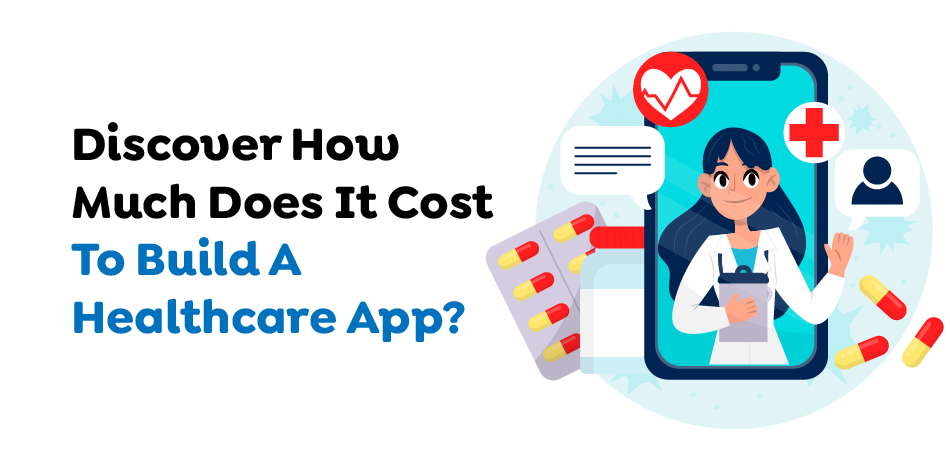
How Much Does It Cost To Build A Healthcare App?
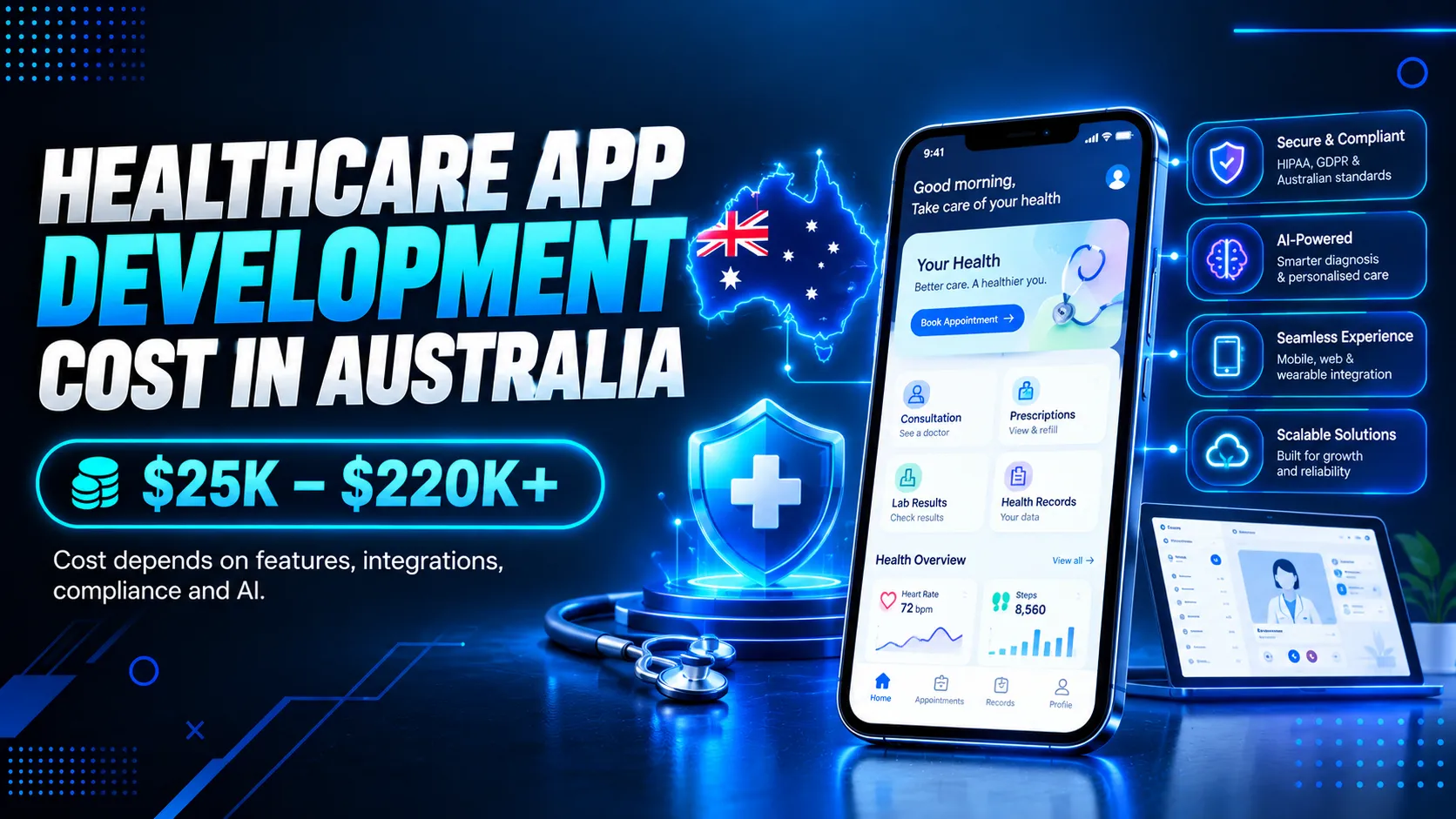
The cost to develop a healthcare app in Australia depends on several factors, including the app’s complexity, the features required, the development team’s experience, and the location of the development team. It also depends on the company you choose to develop your healthcare app, as the pricing of an iPhone app development company and an Android app development company is different.
The bottom line to developing a brilliant healthcare app is the cost while maintaining high quality at affordable rates, and a reputable app development company can help you achieve your dream app at a lower price.
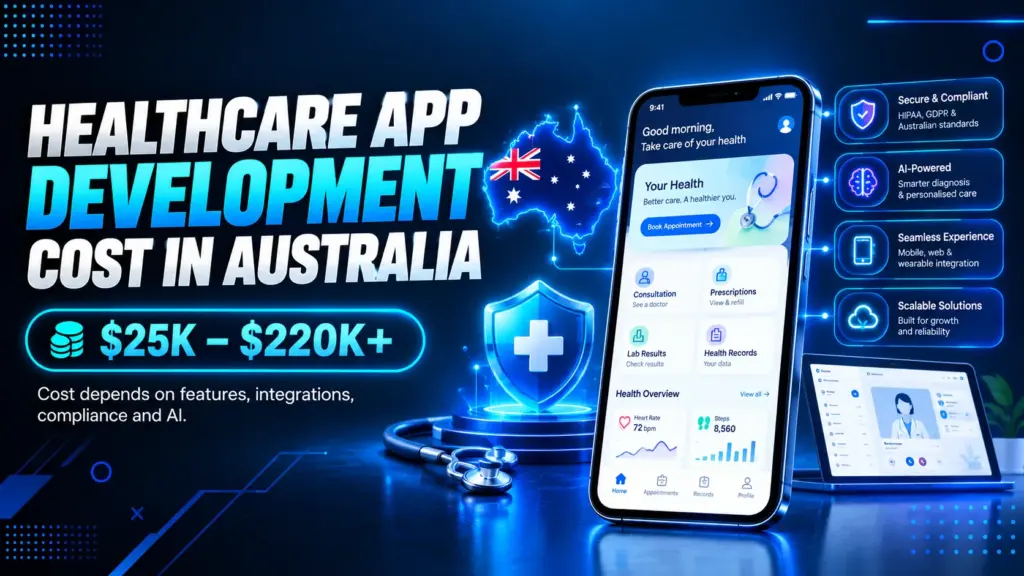
The cost of developing a healthcare app in Australia ranges between $25,000 to $50,000 for a basic model, $50,000 to $100,000 for a moderately complex app, and $100,000 to $250,000+ for a complex app, depending on the features, design and platform you choose.
Conclusion –
For the creation of a healthcare app, there is a need for comprehensive preparation, professional knowledge and devotion to quality and safety. From start to finish, every single step plays a crucial role towards creating an app that will be successful and easy to use by the intended audience.
Our team of expert on-demand application developers at 7 Pillars produces scalable, secure, high-performance healthcare applications based on your vision. Use our healthcare application development services to help you enter the rapidly growing digital health industry and transform your healthcare application idea into a reality!
FAQS
Q 1. Why are iOS app developers important for healthcare startups?
Ans 1. When hiring iOS app developers, they can provide you with an application that is secure, scalable and has a high-performance level, for both Apple and healthcare regulations.
Q 2. Can healthcare applications work with pos software?
Ans 2. Yes, by utilizing pos software, healthcare systems can efficiently manage billing, pharmacy payments, and clinic transactions.
Q 3. How can iOS app developers help provide a better patient experience?
Ans 3. iOS app developers with years of experience build quick, user-friendly, and secure webpages which bolster trust from consumers while using an app.
Q 4. Why is pos software integration important in healthcare apps?
Ans 4. An electronic point-of-sale (POS) system provides timely and accurate payment processing as well as financial records to enhance patient engagement and streamline operations.

Sundeep Mann

Get in touch
We'd love to hear from you.



 +61 42 108-3277

 contact@7pillars.com.au
 Stay Inspired with our