Let's have a
Quick Chat
with you!
Quick Chat
with you!
You have our ear and we can't wait to hear about your idea! Share your details here and we will make sure to schedule a coffee date with you soon.




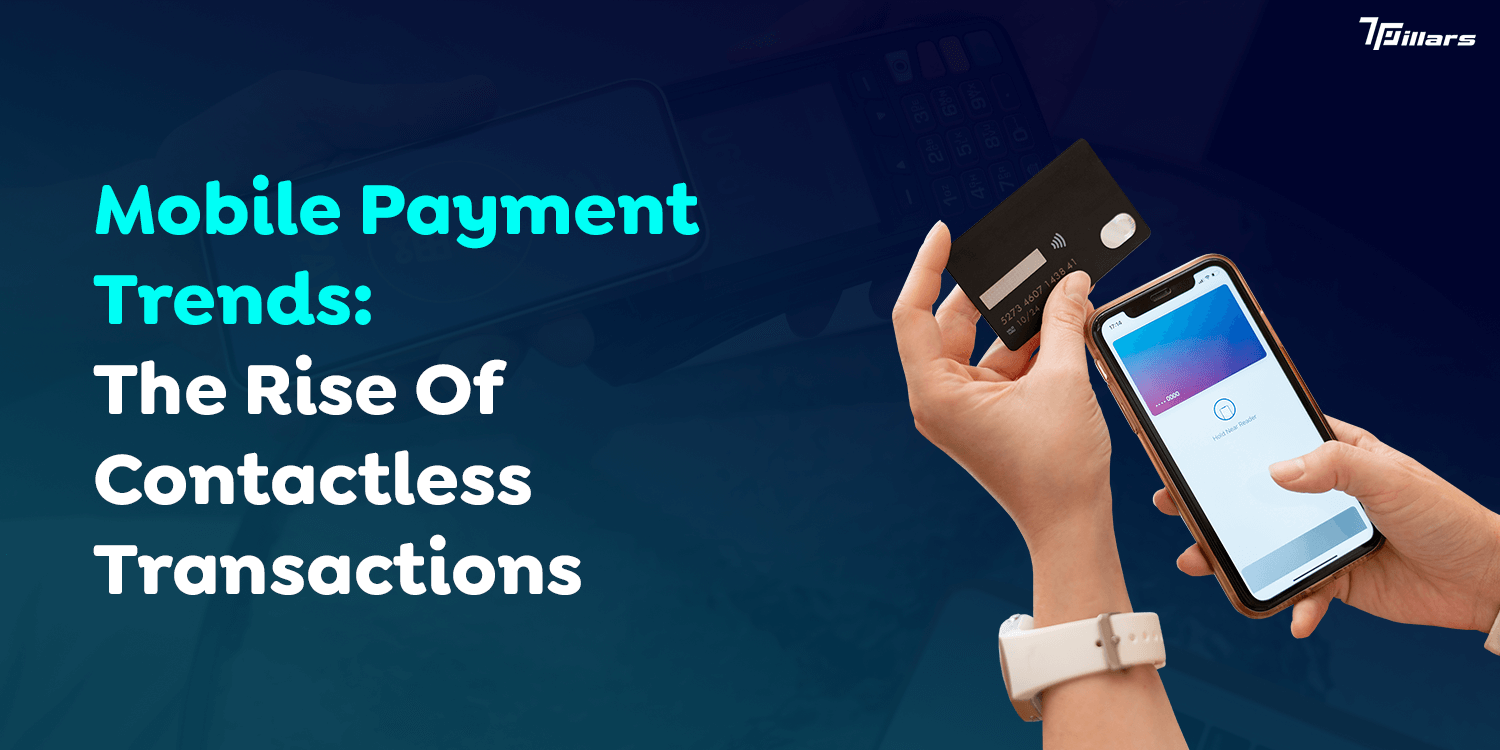
The constantly evolving landscape of technology leads to new and improved innovations that are faster, smarter, and focused on user experiences. In addition to creating new ways for end users to interact with the world around them through apps, technology has opened a new revenue stream for app developers. A mobile app development company can help you develop a successful payment application. By 2026, digital payment systems will be fully developed, with the introduction of mobile payment systems leading to changes not only in how people purchase goods but also in how companies operate and grow their businesses.
Financial technology in the modern, highly connected digital world has transitioned beyond transactions to intelligent, information-centric ecosystems. The prevailing market trends in mobile payment are a key driver redefining the way businesses conduct domestic and cross-border financial practices in real time. Consumers are now seeking frictionless, safe and real-time pay, pushing mobile app development to new heights.
Mobile payment applications have emerged as the foundation of current payment technology, as user demands for speed, convenience, and security rise. As the world becomes more accustomed to using contactless transaction-based solutions, the demand for digital transformation in all aspects of commerce is rapidly increasing.
Digital behaviour following the pandemic has changed the whole transaction habit globally. As the use of smartphones has been on the rise, e-commerce is growing at a high rate, and consumers favour contactless and on-the-go payments, the use of mobile payment apps was expected to have exploded by 2026.
Mobile payment systems have evolved beyond simple SMS-based solutions to multi-featured systems supporting peer-to-peer transfers, international payments, subscriptions, and embedded finance. Apps such as Apple Pay, PayPal, and Splitwise are leaders.
Australia is an ardent user of cashless payments. Over 80% of customers prefer online payments. The pandemic provided an impetus to mobile app development organisations, which drove innovation and adoption in the retail, healthcare, hospitality, and transport industries.
Mobile payment applications are becoming a necessity, not a luxury, in the years after COVID-19. Such high security, smooth user experience, and real-time processing have rendered digital payments the preferred method among demographics.
Mobile payment applications are used daily by more than 90% of users, while younger users are predicted to be the primary users of innovation and growth in mobile payments through 2026.
As technology continues improving with the introduction of network connectivity using 5G technology, the Internet of Things (IoT), and fraud detection technologies driven by Artificial Intelligence (AI), the reliability and speed of mobile payment transactions will continue to improve.
Before we discuss mobile payment apps, let’s understand what mobile payment is and its needs. In simple terms, mobile payment can be described as making financial transactions through one’s smartphone or tablet from anywhere to anyone without any issues.
One of the best aspects of mobile payment is that it enables individuals to make direct payments to their peers or merchants from whom they are availing a service. Imagine a world where you won’t need to withdraw cash ever again or use your credit cards to make payments for the services you avail.
Do you still make transactions through traditional methods? Well, rest assured, gone are the days you needed to rummage through your wallet for cash or fumble with credit cards at checkout counters. The changing technology has led to the rise of mobile payment apps that have made it significantly simpler for individuals to make transactions from their homes without withdrawing cash when needed.
Mobile payment apps, also known as mobile money, are payment processing services operated under the financial guidelines and regulations performed via mobile phones. Mobile payment apps have enabled individuals to make direct payments to entities without going through the traditional transactional routes using cash, cheques or cards, thus making the entire process convenient for individuals.
Japan was the first country to adopt the latest mobile payment technologies to develop brilliant mobile payment apps for the sake of the speed and convenience of the users, with the first patent titled “Mobile Payment System” filed in 2000.
The era of modern technology has led to the rise of mobile payment apps due to their speed and the convenience they provide to users by saving them a trip to the bank to withdraw cash or use cheques. Haven’t mobile payment apps made it convenient for people to make transactions anytime they want from anywhere to any part of the globe without difficulty?
There is an array of different mobile payment apps catering to the unique needs of individuals, and we will discuss a few of the more popular ones today in this blog.
|
Type |
What It Is? |
Key Points |
Examples |
|
Mobile Wallets |
Virtual wallet on mobile devices |
|
PayPal Apple Pay |
|
NFC Payments |
Short-range contactless payments |
|
Google Pay |
|
Peer-to-Peer Apps |
Direct user-to-user payments |
|
Beem It |
|
SMS Payments |
Payments via text messages |
|
Carrier service |
|
Mobile POS |
Phone as payment terminal |
|
Square |
|
Buy Now Pay Later |
Pay in instalments |
|
Afterpay |
|
Crypto Payment Apps |
Payments using crypto |
|
Crypto wallets |
|
E-commerce Payment Apps |
Online shopping payments |
|
Shopify PayPal |
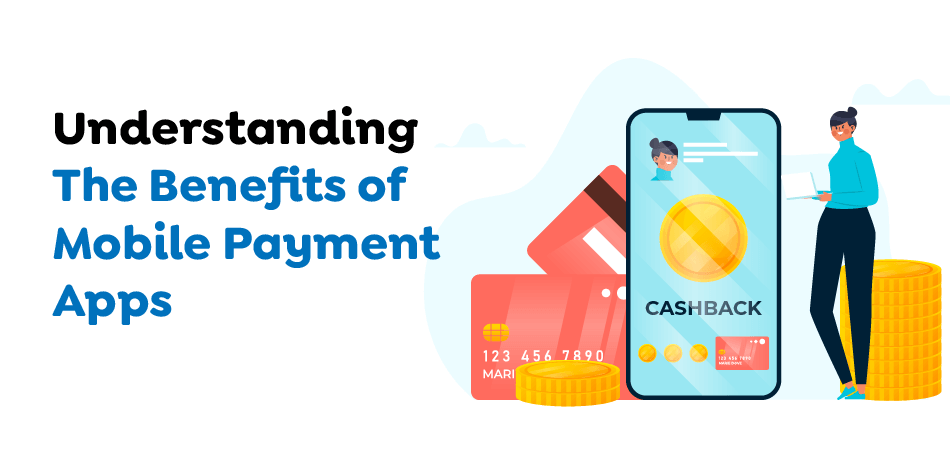
This is the kind of information you need to know about: how these mobile payment apps have changed the mobile finance sector for good by making transactions convenient and fast. The current population has more than 90% of people using modern means of payment, thereby creating an excellent market opportunity for companies developing mobile applications.
Mobile payment apps are popular because they allow users to pay directly to entities with just a tap, hence minimising the time spent at the point of sale. It is a very convenient app that lets people make transactions with anyone at any time from anywhere without going to the bank or using checks, as long as they have their mobile phones and bank accounts.
In addition to user convenience, speed is what makes transactions happen quickly between those involved. These mobile payment systems come along with a reward system, which helps individuals win points and get a percentage off or coupons for the next purchase.
Initially, there was doubt that these applications would be secure enough to facilitate transactions, but this concern diminished fairly quickly. Encryption, biometric authentication and encoding are some of the security measures applied by such applications, ensuring that transactions are done safely, hence increasing the user’s safety level from physical cash.
The invention of mobile payment apps has reduced the risk of theft that individuals had while carrying physical cash, as one no longer needs to have massive amounts of money on them to use a service. Apart from this, mobile payment apps have made it easy for users to identify unapproved activities on their banks, as the users get informed of each transaction made the moment it happens via notifications.
Another beneficial part of mobile payment apps is contactless transactions, meaning one can make payments without having to come into physical contact with individuals. It is a feature that comes in handy during health crises like the COVID-19 pandemic, when it became essential to keep physical touch with unknown individuals to a minimum. The contactless payment feature has allowed individuals to make quick, secure payments on the go to save time without waiting for their turn.
With the invention of mobile payment apps, you no longer need to carry your wallet everywhere, thus making travelling to different destinations hassle-free with fewer things to take along. Everything from your bank details to transaction history is saved securely in these apps, ensuring you no longer need to keep physical copies of every transaction you have made.
If you regularly go out with your friends and share a dinner with the understanding that you will split the total dinner cost between you, then you need to get on with peer-to-peer payment apps, as they allow you to split the bill and send the money to the friend who paid the bill. Did you know some mobile payment apps also have features like WhatsApp, which allows users to text their friends with the payment?
The nice thing about mobile payment apps, as you probably already know, is that they’re easy to integrate with the newest wearable technology, such as smartwatches, which makes it even easier for people to make payments while on the go. People can make payments faster and more effectively because of the combination of mobile payments with cutting-edge technology like 5G connection and the Internet of Things [IoT].
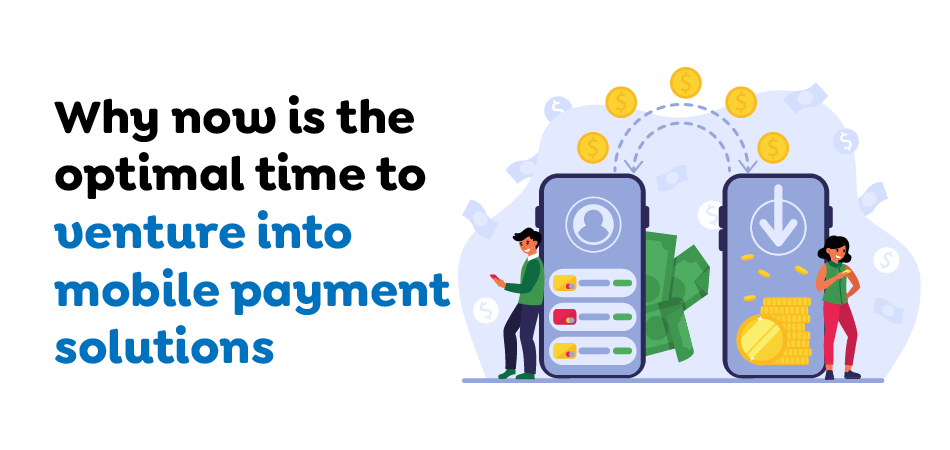
Over the years, mobile payment trends in Australia have taken a turn for the better by continuously evolving through technological developments, changing the behaviour of users and the ongoing shift towards a cashless society, with more people leaning towards mobile payment apps.
Australians’ transaction handling practices have changed significantly in the last couple of years, with this shift witnessed in the Reserve Bank’s latest Consumer Payment Survey. With the help of external variables like the global pandemic, shifting consumer preferences, and technological improvements, their extensive poll offers a clear snapshot of how payment behaviours have changed over time.
Bridging the financial inclusion gap is one of the most pivotal effects of mobile payment trends, particularly in emerging nations with limited traditional banking infrastructures.
Mobile payment apps are a lifeline to millions of individuals living in developing countries by providing them access to essential financial services. Mobile app payment technologies have transcended the limitations of borders, allowing individuals to make payments and foster international commerce relations.
After the pandemic, people have adapted to using mobile payment apps to make transactions for their daily needs, thus making contactless payment a norm across the globe, with the majority of individuals preferring this new technology for the convenience and speed it provides.
This shift from cash to cashless payments is a defining feature of the Australian economy, with a mere 13% of the population making transactions in cash over digital payments. This shift in trend is a direct result of the global health crisis that occurred in 2020, which prompted a surge in contactless remote transactions due to the social distancing norm.
You have to be conscious of the convenience that comes with using a mobile payment app during the pandemic to avoid getting infected with the virus. Digital wallet services provide a safe and easy way for users to save their credit card credentials and transaction history on their devices, which they can access whenever they want to make a purchase using mobile payment apps like Apple Pay. Users of these applications can earn reward points for every purchase through integrated loyalty programmes, which they can redeem later.
Debit and credit cards have been the king of convenience since they were introduced to people, but they boomed following the health crisis that occurred in 2022 due to how easy they were to use. Statistically, the card payments done in 2022 alone account for three-quarters of all the transactions done in the year, making them a staple at checkouts, offering a quicker, tap-and-go solution that aligns with the fast-paced lifestyle of consumers. The best part about these cards is that you no longer need to enter your PIN at checkout every time you want to purchase something, as now you can tap the card on the terminal, and the transaction is done almost instantly.
QR Code is a notable newcomer in payment technology that offers seamless transactions that can be done by linking directly to a mobile wallet or bank account, thus reducing the need to carry physical cards. Within a few years, QR Codes have gained immense popularity among users due to the convenience they provide by offering them a quick and secure medium to make transactions.
PayID is an upcoming trend expected to gain traction as it has changed the way bank transfers occur by simplifying the process to an identifier such as a mobile number or email. It has sped up the transaction process by enhancing security measures by confirming the recipient’s details before the completion of a transaction to avoid unapproved transactions. Just think about the brilliant technology that has enabled you to no longer fumble for cash or exchange bank details to send money to anyone.
During the pandemic, online shopping peaked, with more people leaning towards making purchases from the safety of their homes, leading to a new record of 18% of retail payments being made. This growth points perfectly towards the ongoing shift of users towards cashless modes of payment, as more Australians are embracing the convenience provided through e-commerce.
Innovations in payment options available to Australians keep their spending pattern varied, leading to the rise of alternate payment options like Buy Now Pay Later and PayPal for making transactions due to the security they provide users. Even though these are relatively new apps, they have gained acceptance from people, especially the younger generation.
Blockchain, a brilliant technology often used to enhance the security procedures of apps, is being explored by app developers for its potential to improve the efficiency of mobile payment apps. Even though the tests are in the initial stages, the brilliant technology offers a decentralized ledger system capable of streamlining cross-border transactions.
With time, users’ expectations increased for a seamless app experience, enabling them to make frictionless transactions. This has led to a shift in the focus of mobile app development companies towards developing a user-friendly interface with quick processing time to meet these user demands. A reputable app development company focuses on creating a holistic digital payment experience for users.
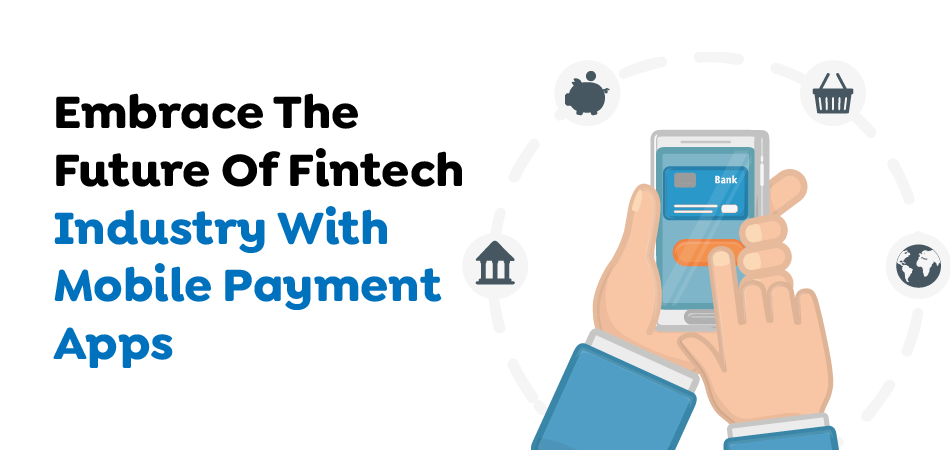
Only a few years from now, mobile payments will not necessarily be driven by speed; trust will be the key element that determines which apps consumers use. In 2026, people will choose mobile payment applications based on the transparency they provide, including real-time fraud alerts and user data control features, rather than according to the name of the application itself. Examples of features that influence consumer behaviour regarding their digital payments include notifications about spending habits, insights into where the best spending occurs, and providing the option to control who has access to customers’ personal information.
Mobile app development companies are placing an emphasis on developing applications that are “trust-led” by incorporating explainable AI, evident security indicators and consent-driven data sharing. As consumers become more emotionally connected to their digital payment experiences, those platforms that foster connection and confidence will emerge as leaders during this next phase of innovation in contactless payments.
Over time, mobile payments have changed the way Australians conduct financial transactions due to the convenience and security these apps provide to the users. The country is increasingly becoming a cashless society, with the use of cash for transactions declining steadily to only 13% in 2022, down from 70% in 2007.
The shift towards a cashless society accelerated due to the pandemic, which encouraged more people to start using contactless and online payment methods due to hygiene concerns. There is a set of technology that rules and is required in developing a mobile payment app.
|
Technology |
Purpose |
Key Points |
|
Near Field Communication (NFC) |
Enables contactless payments |
|
|
Tokenization |
Protects sensitive payment data |
|
|
Mobile Wallets |
Stores digital payment details |
|
|
Biometric Authentication |
Secures user verification |
|
|
Blockchain Technology |
Secures transaction records |
|
|
5G Connectivity |
Improves payment speed |
|
|
Artificial Intelligence & Machine Learning |
Detects fraud and patterns |
|
|
Wearable Payment Devices |
Enables hands-free payments |
|
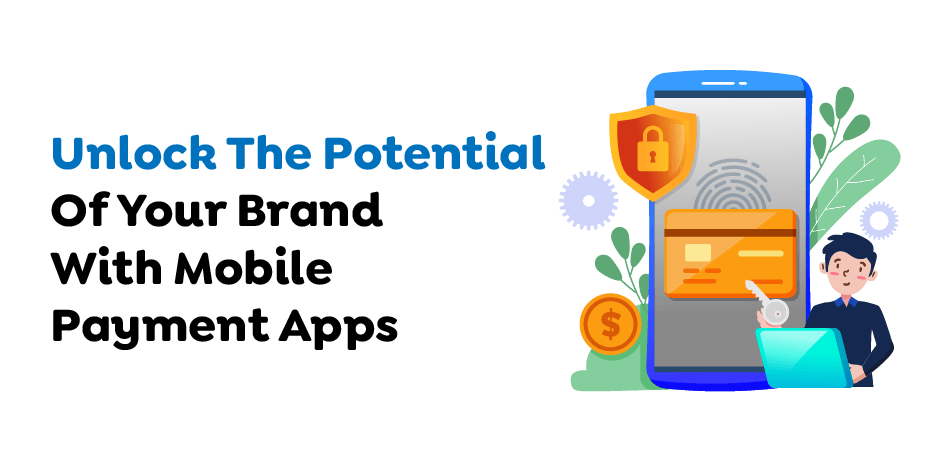
One of the most lucrative online businesses in 2026 is mobile app development, with more consumers switching to cashless payment systems. Blockchain technology, 5G connectivity, and artificial intelligence are technologies responsible for security, speed, and user experience.
Our team at 7 Pillars specialises in delivering customer-focused, innovative, scalable mobile payment solutions according to client objectives. As a reputable mobile app development firm in Australia, we are at the forefront of the latest technologies and a client-centric development approach.
Intelligent software solutions provided by our technocrats at 7 Pillars businesses give them the power to be productive, streamline operations, and make informed decisions. If you want to create a mobile payment application that spurs evolution and growth, reach out to us at 7 Pillars today.
Q1. What is the reason why companies need to recruit iOS app developers to develop mobile payment applications?
Ans-1 Skilled iOS app developers create secure and scalable payment apps that integrate with Apple Pay, use biometric security, and deliver an easy-to-use experience to meet the requirements of Apple rules and perform well on iOS devices.
Q.2 What is the integration of pos software with mobile payment applications?
Ans-2 POS software is associated with mobile payment applications for contactless transactions, handling inventory, real-time sales tracking, and enhancing checkout speed for both retailers and customers.
Q.3 Does it support mobile payment applications with the current pos software?
Ans-3 Yes, the majority of mobile payment applications can be easily connected to the existing pos applications, allowing businesses to accept digital wallets, NFC payments, and QR-based transactions without significant system modifications.
Q.4 What are the roles of iOS app developers in scaling fintech?
Ans-4 Experienced iOS app developers focus on performance optimization, secure APIs and future-ready architectures, which help fintech apps scale efficiently as they accommodate advanced payment functionalities and increased user demand.


Partner with us to bring your vision to life.



 +61 (42) 108-3277
 contact@7pillars.com.au
 294A Station Street,
