App development in Australia often faces delays and budget overruns due to unclear requirements and poor early planning. Planning thoroughly from discovery to launch, an entirely organised approach for app development Australia typically costs between AUD 40,000 and AUD 250,000+. Partnering early with the best mobile app development company in Australia helps define scope, reduce risk, and ensure efficient execution.
This matters in a market where smartphone adoption exceeds 90%, with users expecting smooth mobile experiences. Even minor UX or performance issues can lead to high churn rates. Businesses partner with skilled mobile app developers in Melbourne and the best mobile app development company in Australia to meet these expectations with scalable, secure solutions.
This blog divides each phase of the development process and the aspects that impact timeframes and expenses. You will learn how to create structured execution through the support of mobile app developers in Melbourne for faster launches, reduced rework, and more reliable and scalable applications.
Bringing Ideas to Australian Success
Australian startups and growing businesses often find that turning an idea into a working app is harder than expected. Most challenges come down to unclear planning and execution issues. Partnering with an appropriate mobile app development firm in Australia guarantees proper planning, adherence, and minimal risk.
Best on-demand app developers in Melbourne for app development Australia focus on performance, security, and a smooth user experience. The top mobile app development company in Australia offers formal procedures and control to companies that want fast adoption and minimal errors.
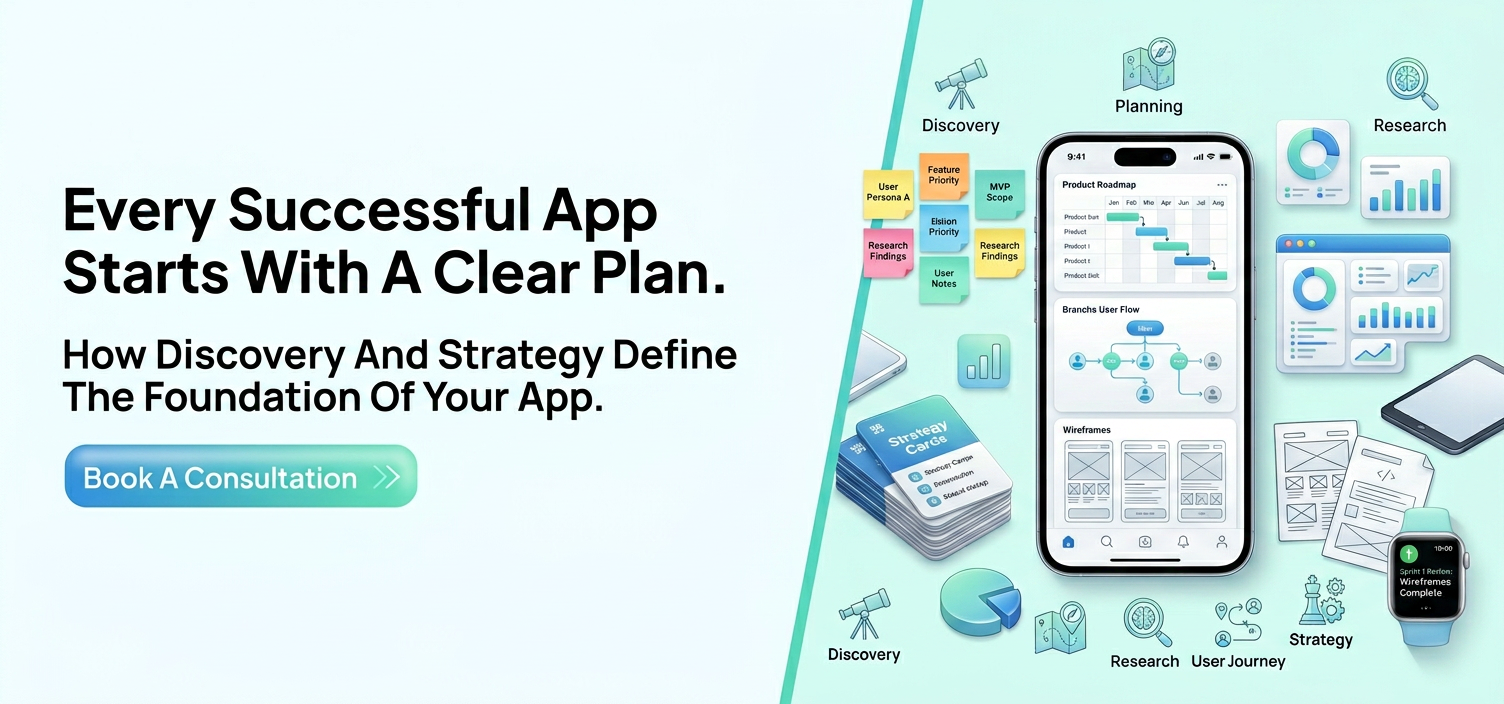 Mobile App Innovation Driving Business Growth
The increase in smartphone adoption has become the primary reason for the app boom in Australia. To have scalable, secure and convenient applications, organisations require skilled developers.
- Mobile applications are vital to businesses as people use them daily to shop, bank, and access services.
- The competitive application market demands planning, research and local intelligence to achieve success.
- Flutter mobile application frameworks accelerate development, but strong UX design and testing remain critical for app success.
- On-demand app developers in Melbourne are experts who ensure that guidelines on privacy, accessibility, and control in Australia are followed.
- Local teams learn the behaviour of the users and user preferences, which enhances performance and usability.
- Adequate planning and skills enhance user interest, retention and sustainability of businesses.
How Mobile Apps Are Transforming Australia’s Digital Landscape?
Mobile apps are reshaping how Australians shop, bank, and access services, making strategic, high-quality development essential for business success.
1. Complexity Of Regulators And Trust
The privacy, security and access rules influence the process of app development.
- Businesses must ensure compliance to avoid legal risks and maintain user trust.
- Planning early will help fulfil local needs at the design phase.
2. Evolving User Expectations
Australians are demanding quick, instinctive, and dependable mobile experiences.
- Consumers require applications that are compatible across networks and devices.
- The awareness of these expectations helps developers create viable and interactive products.
3. Rapid Digital Adoption
App usage continues to grow in the financial, retail, and service sectors.
- Technology provides benefits that conventional methods cannot offer.
- The emphasis is placed on development-centric performance and scalability.
4. Local Landscape Competitiveness
Businesses and newcomers are in fierce competition.
- Powerful user experience and considerate features have become important.
- Local groups help develop products to satisfy actual market needs.
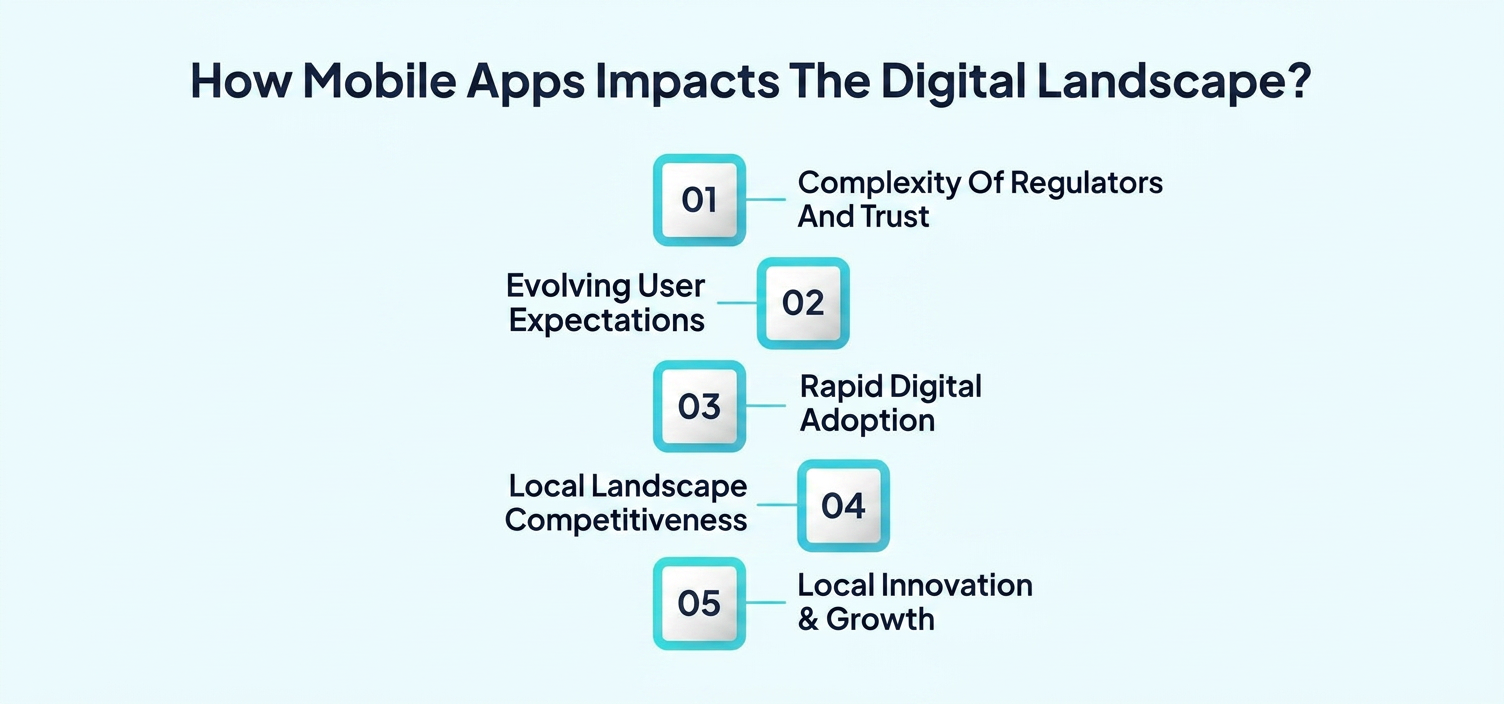 5. Local Innovation & Growth
Sydney and Melbourne boast of tech talent and innovation.
- Established local teams will help to launch faster and minimise risks.
- Experience in the local market ensures that apps are appealing to users in Australia.
Why Invest In App Development?
Mobile apps are now central to business strategy, helping organisations enhance engagement.
1. Direct Customer Engagement
- Applications provide a uniform point of communication to users in app development Australia.
- Push messages and in-app messages enhance communication.
- Individualised experiences enhance user engagement in the long run.
2. Stronger Brand Presence
- A special application will keep your brand in the memories of users.
- Unbroken design supports trust and recognition.
- The frequent use enhances brand recall in the long term.
3. Enhanced User Experience
- Applications are quicker than major web platforms.
- Offline access and easy navigation enhance usability.
- Good user interfaces ease user paths.
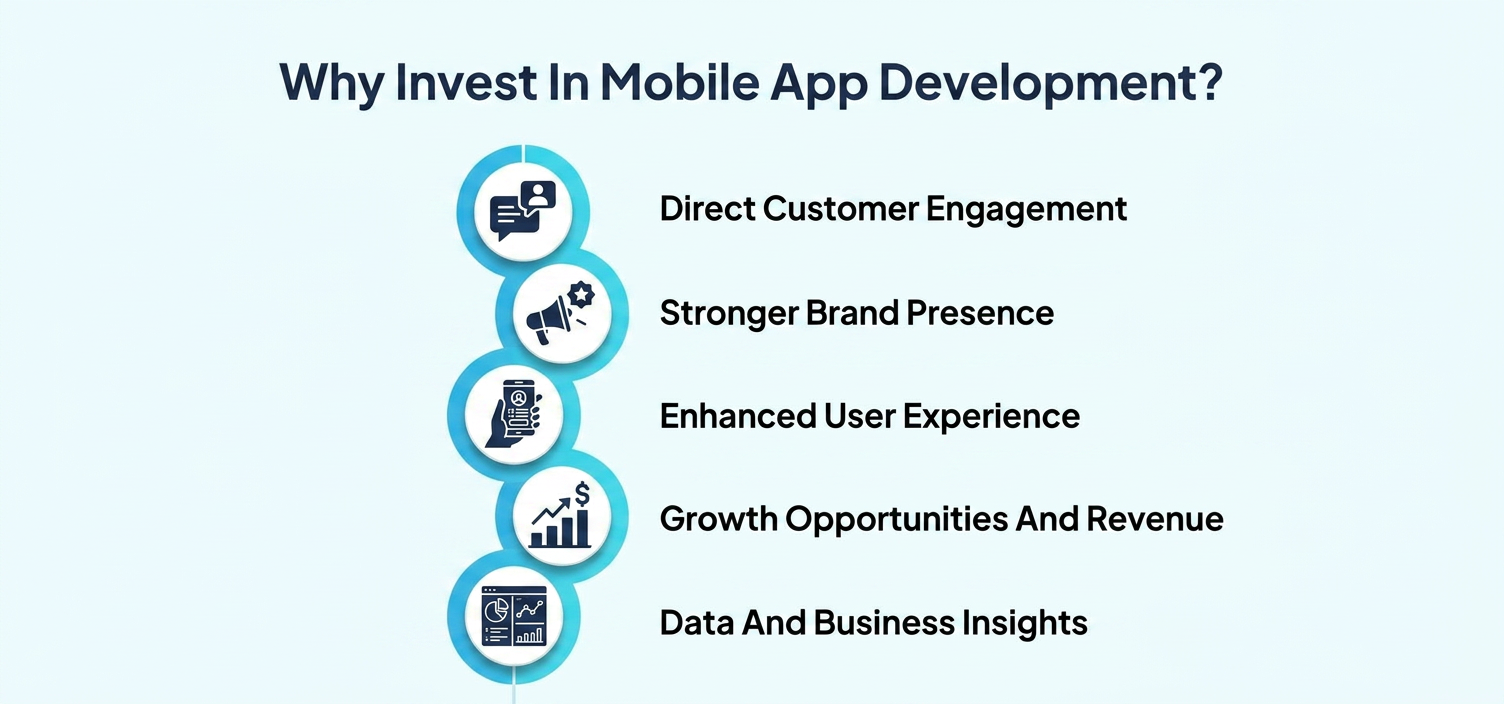 4. Growth Opportunities And Revenue
- Subscriptions, bookings, and in-app purchases are made possible through apps.
- They facilitate new business models and service increases.
- Single payment systems make things easier for users.
5. Data And Business Insights
- The data on user behaviour assists in making sound decisions.
- Analytics helps with the optimisation of features and performance.
- Inspiration enables ongoing optimisation and sustainable development.
Steps To Building A Secure Application
App development in Australia is a systematic process that should be centred on planning, design, development and continuous improvement to ensure the expectations of users and regulators.
1. Ideation And Market Research
- Establish the purpose, goals and fundamental features of the app.
- Determine the needs and the target audience.
- Carry out competitor and market research.
- Check out the idea with the help of feedback or pre-testing.
- Make the concept fit with business goals.
2. Prototyping
- Use wireframes to plan user journeys.
- Develop the overall framework and flow.
- Create low-fidelity feedback prototypes.
- Visual design should start with testing usability.
3. Design And User Experience (UX).
- Build unique design interfaces for app development Australia.
- Pay attention to the convenience and availability.
- Ensure consistency between the screens and elements.
- Localise design to meet Australian expectations.
- Enhance interaction with consideration.
4. Selection Of Technology
- Choose the best technologies.
- Establish a scalable, secure application architecture.
- Write features that are performance-aware.
- Ensure compatibility exists between devices and platforms.
- Coding best practices and standards.
5. Quality Assurance And Testing
- Interoperability in a variety of devices.
- Fix bugs and performance problems.
- Test usability, user flows.
- Ensure compliance checks meet approved standards.
- Ensure it is stable before taking off.
6. Deployment and Launch
- Ready the application for submission to an app store.
- Commercial criteria and regulatory standards.
- Make the listings optimised with the necessary information.
- Rollout/release strategy of the plan.
- Monitor early post-launch performance.
7. Maintenance and Updates
- Monitor user feedback.
- Fixes for bugs and enhancements to stability.
- Add new features by consuming information.
- Update the app to align with platform changes.
- Constantly optimise for long-term growth.
Cost Of Building An App In Australia
App development costs in Australia vary based on scope, complexity, features, and integrations, with each phase contributing to the total investment.
1. Project Scope & Planning
- Discovery and planning require AUD 5,000 and 15,000.
- Include market research, feature definition and technical planning.
- Definite scope minimises second-time expensive changes.
- Early validation helps in saving unwarranted development costs.
- Effective planning helps with budget control.
2. Design & User Experience
- UI/UX hire requires between AUD 10,000 and 30,000.
- User testing and iterations can be costly.
- The usability and accessibility improvements add value.
- Good design enhances retention and ROI.
3. Development Stage
- The development process requires 8-20 weeks for app development Australia.
- Based on complexity, features and integrations.
- Use of back-end systems and APIs increases costs.
- Cross-platform constructions can lower the overall expenditures.
- Scalability and performance affect pricing.
 4. Testing And Launch
- AUD 5,000-15,000 is the usual cost of testing and QA.
- The process involves testing of the devices, fixing bugs, and optimisation.
- Minor costs might be incurred in preparing app stores.
- This stage involves compliance checks.
- Adequate testing prevents post-launch problems.
5. Ongoing Costs
- The annual maintenance is 15-25% on the first construction.
- Has updates, bug corrections and enhancements.
- The added costs are hosting and infrastructure.
- Updating features will also consume more budget.
- Long-term investment pays off.
- Application Development Schedule.
Timeline For App Development
App development timelines in Australia vary by complexity, with each phase contributing to overall delivery speed and efficiency.
1. Planning And Discovery
- Normally requires 2-4 weeks.
- Research, scoping, and gathering of requirements.
- Stakeholder alignment occurs at this stage.
- Proper planning eliminates delays in the future.
- Faster decisions help reduce timelines.
2. Design Phase
- Typically, 3-6 weeks on complexity.
- Includes wireframes, prototypes and UI design.
- Revisions and feedback can lead to extensions.
- Designs with great details are time-consuming.
- Development requires final approval.
3. Development Stage
- The development process requires 8-20 weeks.
- Easy applications need a shorter time.
- Complex features add time in development.
- Build the back end and front-end.
- The repetitions can further stretch the timeline.
4. Testing And Launch
- Testing usually takes 2-4 weeks.
- There are bug fixing and performance optimisation.
- The approvals of the apps can take days.
- Last-minute changes occur before the launch.
- Delays in case of problems detected.
5. Post-Launch Improvements
- Updates occur as soon as launch happens.
- The first progress within 2-6 weeks.
- Introduce new features over time.
- Surveillance is on an ongoing basis.
- The iteration speed determines success.
Common Mistakes to Avoid
1. Lack of a Clear Strategy
- It is easy to get lost when one starts without any set goals.
- An incoherent target audience influences the direction of products.
- Ineffective planning adds to the cost of development.
- The feature creep may postpone the launch.
- Gaps in the strategy dilute the overall impact.
2. Ignoring User Experience
- Difficult navigation puts off users.
- Inadequate design decreases participation and retention.
- Absence of testing results in usability.
- Disregarding feedback inhibits improvement.
3. Excessive Construction Of The First Version
- Excessive complexity comes with additional features.
- The years to develop lead to postponed market entry.
- An increase in costs minimises flexibility.
- It works better with gradual improvement.
4. Weak Testing And QA
- Omission of testing leads to bugs and crashes.
- Performance problems influence trust.
- Incomplete testing postpones success.
- It should not be a hurry to assure quality.
5. No Post-Launch Plan
- The absence of updates will decrease the relevance of apps.
- The refusal to consider analytics reduces growth potential.
- User feedback may go unused.
- Constant improvement is important in the long run.
Retail App Launch in Australia
One of the mid-sized Australian retailers has introduced a mobile application to enhance customer touchpoints, efficiency, and sales repetition through digital platform shoppers.
Challenge
- Minimal traffic, Internet use, and lack of repeat purchases.
- Poor web checkout process.
- Absence of personalised customer contact.
- Challenge in monitoring user behaviour.
- Increasing rivalry provided by app-first brands.
Solution
- Launch of an easy-to-use mobile application.
- Streamlined payment and checkout process.
- New individualised offers and notifications.
- Inbuilt user tracking analytics.
- Usability-oriented and performance-oriented.
Outcome
- More customer retention and interaction.
- Better conversion rates on mobile.
- More efficient and quicker buying process.
- Understanding user behaviour better.
- Greater cumulative digital expansion.
Conclusion
The development of an application in Australia needs a clear procedure, local knowledge, and uniform implementation at every phase. Every step will influence success, starting with planning updates after launch. A reputable start-up app development company will reduce the risks associated with it, increase efficiency and ensure that your application meets the demands of users in a competitive digital environment.
To expand, businesses must invest in a strategy and development approach that enables them to scale in app development Australia. An app development agency with a solid start-up will ensure sustainable growth, unbroken quality coverage, performance, and usability that make your app relevant and competitive.
FAQS
Q 1- Should my mobile application have a back-end?
Ans 1- An iPhone app development company can create an efficient back-end to handle data, users and integrations with React Native software development where appropriate.
Q 2- What is the application of React Native software development?
Ans 2- React native software development is an app built on a single codebase using cross-platform software to build apps that can be developed faster with ease on both iOS and Android.
Q 3- Which development do I prefer, native or cross-platform development?
Ans 3- A good iPhone app development company helps you make the correct decision on the approach to follow. Often, React Native software development is the preferred choice since it is fast and less expensive to develop cross-platform solutions.
Q 4- Do apps need maintenance after launch?
Ans 4- Apps need constant maintenance, updates, bug fixes and performance improvements, all of which an iPhone app development company can handle through software development.
Post Views: 112










 +61 (42) 108-3277
 contact@7pillars.com.au
 294A Station Street,
