Let's have a
Quick Chat
with you!
Quick Chat
with you!
You have our ear and we can't wait to hear about your idea! Share your details here and we will make sure to schedule a coffee date with you soon.




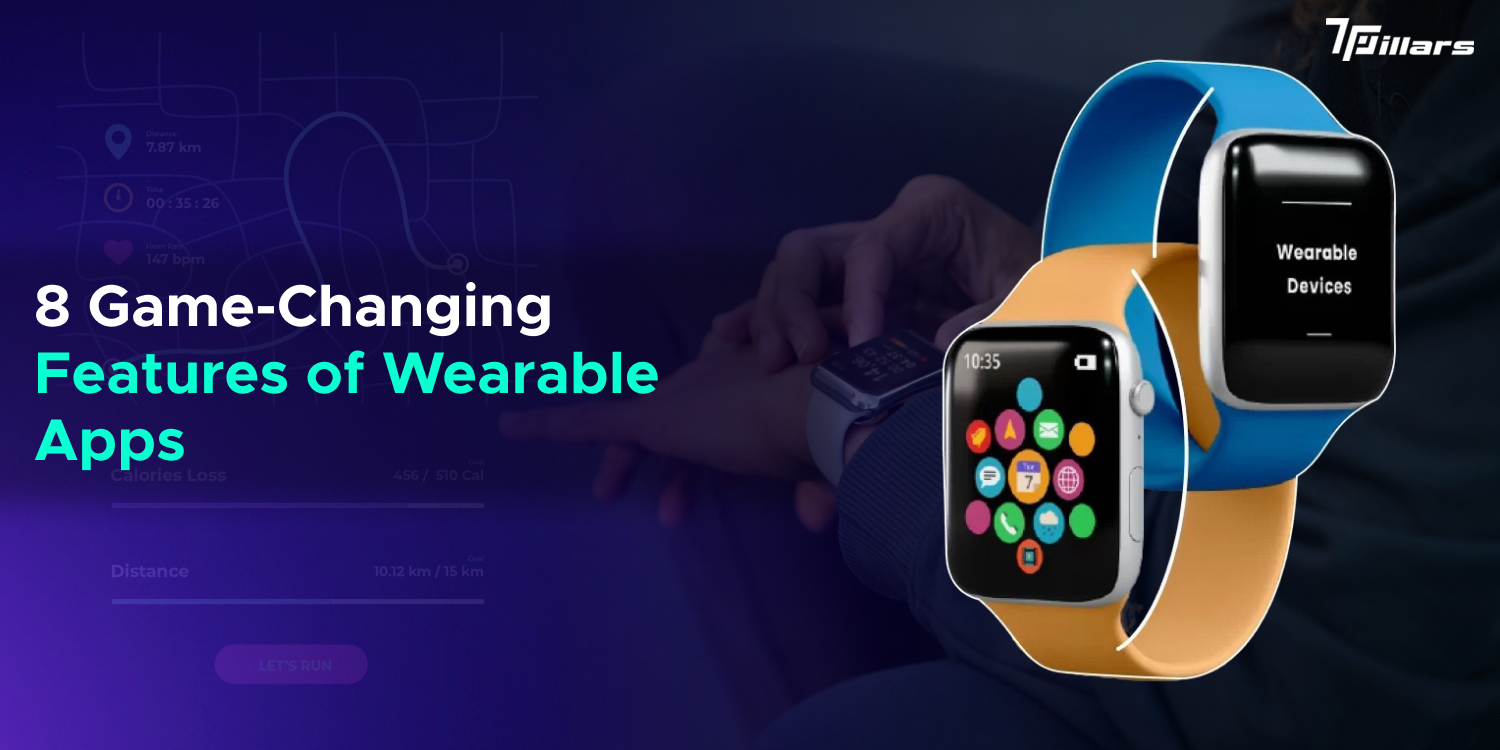
A wristwatch today is no longer merely about time-telling. By 2026, wearables can monitor health indicators, motion, and provide intelligent nudges throughout everyday activities. Using wearable apps to drive quicker and more natural digital interactions, these smart devices are placed too near the body to transform ordinary moments into data-driven choices. An experienced wearable app development company can help you understand the growing tech in Australia.
No longer are wearable apps designed exclusively to suit fitness enthusiasts or technology enthusiasts. They have become the tool that professionals, travellers and ordinary users use to navigate, receive notifications, get sleep insight and take quick actions. A trusted wearable application development business offers conciseness and smooth functionality among more differentiated devices and digital ecosystems that are future-proof.
Wearable apps can strike a balance between innovation and simplicity in 2026. Using intelligent interfaces and automation, they provide immediate information with no need to alter the routines. With an established Android mobile app development firm on its side, these applications offer high performance, battery life, and are natural, responsive, and helpful to customers.
Functionality is not enough to stop. In 2026, a special-purpose fitness application development company integrates cutting-edge technology with a smooth design to innovate the real experiences of wearables. New wearable applications are authenticated, adaptable, and elegant watch faces, making the device feel personal.
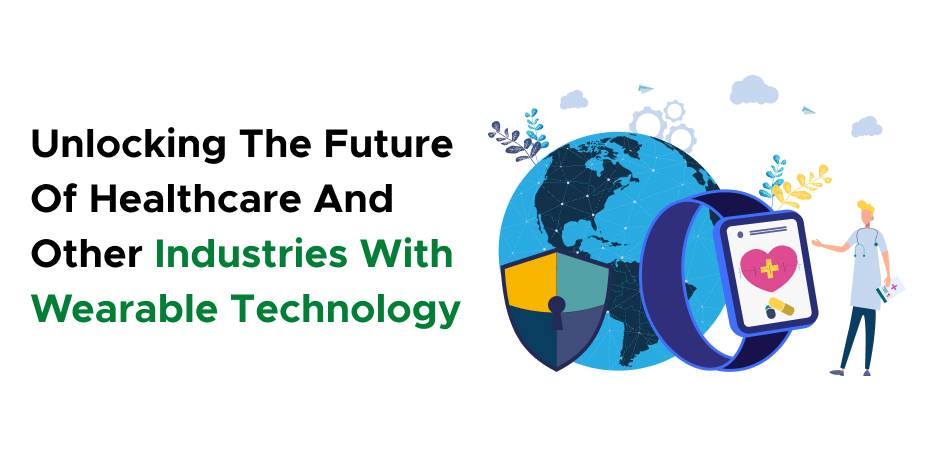
With more intelligence, innovation is essentially unlimited on both the business and consumer fronts. Wearable applications have become smartly automated through artificial intelligence, predictive analytics and real-time data processing. The innovativeness is attributed to the experience of a wearable application development service dedicated to the future.
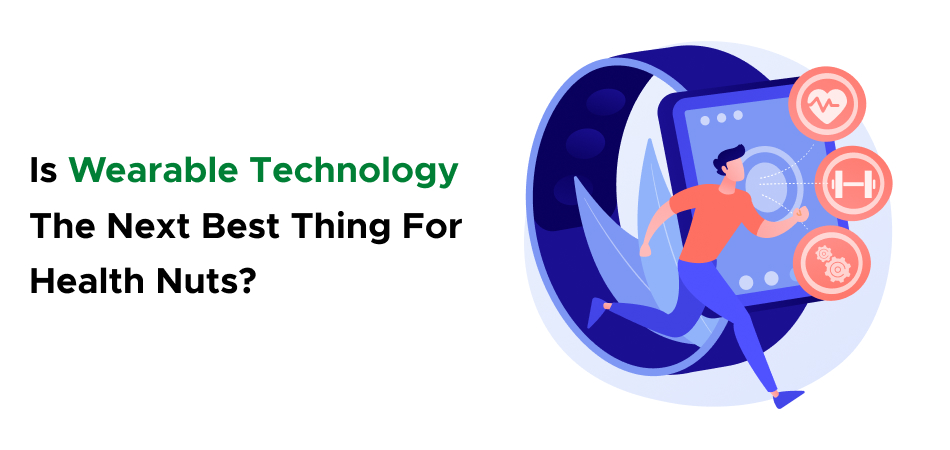
The purpose of wearable applications is to function on electronic wearables such as smartwatches and fitness trackers. The smart devices work with mobile phones to deliver real-time functional data through their interfaces. Wearable apps use heart rate monitors and GPS platforms together with sensors and touchscreens. These applications deliver customized software combined with user-friendly interfaces to their users.
Wearables differ from mobile applications because they stay accessible to users. Through hands-free technology, mobile users can monitor their health activities and track their achieved targets. Users utilize these applications to receive notifications and make payments through their interfaces. Through their work with the best wearable app development companies, users can access seamless user-friendly applications. The creation of innovative health and wellness applications depends heavily on a fitness app development firm.
Wearable apps provide benefits from their location because they exist always within reach through wearable devices instead of relying only on mobile phones and tablets. Wearable applications provide unrestricted and touchless access to technology. Users can track their fitness objectives while monitoring their wellness indicators, getting alerts, and making digital payments directly from wearable devices like wristbands.
Wearable apps create numerous advantages that enhance both usability and everyday life practices. Here are some key benefits:
The wearable application platform lets users record their vital signs and exercise activities. The applications track workouts and heart rate measurements and count user steps. The applications serve users with particular requirements for health monitoring through their specific goals or medical conditions, supported by a reliable wearable app development service.
Wearable apps enable users to receive instant access to helpful information without the need to handle smartphones. The devices function without hands, allowing the users to check their time and reply to messages without holding their smartphones. An Android app development company knows how to implement optimizations, making these applications easy to use.
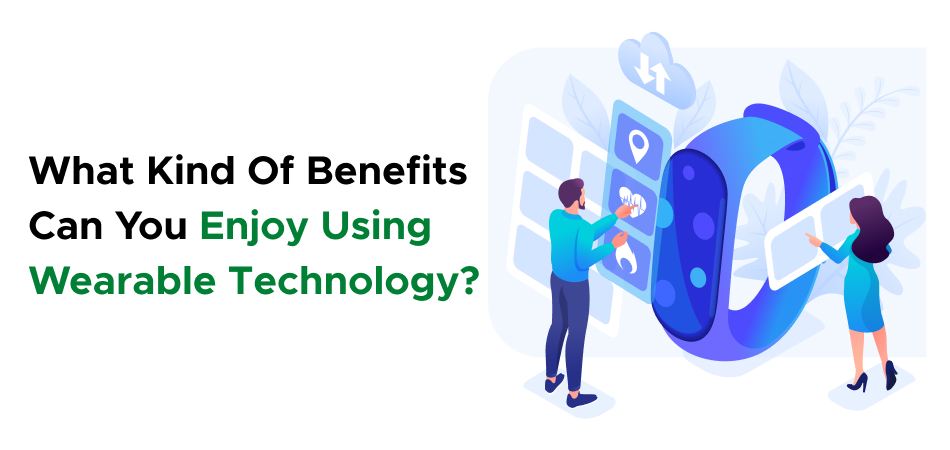
Wearable apps deliver live alerts that notify users about messages while displaying their emails and warning notifications. Users maintain up-to-date information through devices without frequent phone inspection. Wearable app users find this feature valuable because it benefits their demanding professional schedules. A grocery delivery app development company develops applications which optimize everyday operations to deliver unified user comfort throughout multiple services.
These wearable digital platforms enhance work processes, leading to better productivity. The user interface enables viewers to monitor to-do lists, set reminders, and view their calendar events. The apps maintain crucial data that is available for users from morning until evening.
User-specific needs allow wearable applications to customize their devices. Wearable technology adjusts functionality through personalized alerts and custom fitness plans based on user needs and goals. Quality mobile applications developed by excellent healthcare app development companies apply user-specific features to respond to the individual requirements of their customers.
The built-in security functions provided by wearable applications prove crucial for users’ safety in hazardous situations. Many devices include SOS functions. Users can send critical alerts to their family members and emergency response agencies through their devices. The apps identify both instances when users fall and abnormalities in their heart rates, all made possible through a specialized wearable app development service.
Tracking locations during outside activities assists users’ safety. The built-in safety measures can be added to wearable applications by collaborating with flutter app development companies.
This way, the amazing-with-how-fast-wearable technology advances and makes changing the system in which we interact with devices and wearable apps form an essential part of this change. These apps have unique functionality, allowing easy access to smartwatches and fitness trackers. The most important things need to be considered when developing wearable apps. Here are eight critical areas that every developer should consider for astonishing wearable application development:
The user-centric design is very essential when it comes to wearable applications. These devices have limited screen space, so simple interfaces are crucial. Develop interfaces that are intuitive and easy to use. Keep the information displayed minimal yet informative. A wearable application development company will help you create user-friendly designs that increase ease of use.
Compared to smartphones, wearables carry trivial batteries. Battery optimization is one crucial thing about wearable applications such as efficient battery use ensures that the app goes on throughout the day. Minimize background processes and optimize power consumption. A proficient iPhone mobile app development company will know how to develop power-efficient, wearable apps.
Wearable apps must work in really lovely sync with smartphones and other devices. Synchronization provides a seamless user experience across the platforms, while it should also enable any connection protocols like Bluetooth, Wi-Fi, and other options. It again helps in data transfer with no availability for interruptions or delays—the experienced wearable device app development company.
The gadgets collect much user data, mainly health metrics and personal details. Data security and privacy must be top of the app’s priority list. Securely encrypt and store data to protect users. User privacy will be protected by regulations such as GDPR and HIPAA. Security practices with international standards are followed to safeguard the end-user from being hacked by a professional grocery delivery app development company.
Wearable apps require communication with third-party applications from time to time. Integrating other platforms, such as Google Fit and social networks, makes it handy for the application to have better features. The mobile application should allow easy data sharing and synchronization with outside applications. Your app capabilities can be extended through an iPhone app development company that can integrate third-party APIs.
This is where wearables outshine everything else: bring the real-time notifications straight to the users. These notifications could be anything from reminders to messages to health alerts. Contextual notifications must be prompt and specific when they appear irrelevant, or too many push notifications will irritate users. The notification frequency combined with type should be optimized to maximize battery longevity. An IoT app development company can create innovative notification systems for your wearable app.
Most wearable applications exist to track fitness and health activities. Users should benefit from built-in functionalities that measure steps taken alongside heart rates and sleep durations. Users can reach their fitness objectives through personalized health information available on the platform. Real-time data analysis becomes essential for these smartphone apps because they depend on accurate data collection. Professional app developers at a development company can build these features into your wearable application.
Users become more involved with wearable applications when the apps offer personalization features. The system should enable users to modify watch faces together with notification options. Users can obtain fitness plans with health suggestions using personal profile data. Customizable elements are key to delivering user satisfaction and strengthening customer loyalty. Professionals from an IoT mobile app development company can develop unique user experiences for wearable applications.
In 2026, wearable-based applications can process information directly on the device to enhance the speed, privacy, and real-time decision-making without being reliant on the cloud all the time.
Wearables Modern wearable applications rely on AI models to understand long-term behaviour trends and indicate possible health hazards prior to their manifestation.
Wearables are currently powered by distinct biological signals to ensure secure, round-the-clock authentication without password verification processes.
Wearable applications decreased screen interactions and provided minimal information, non-obtrusive context-sensitive interactions to reduce distractions in everyday life.
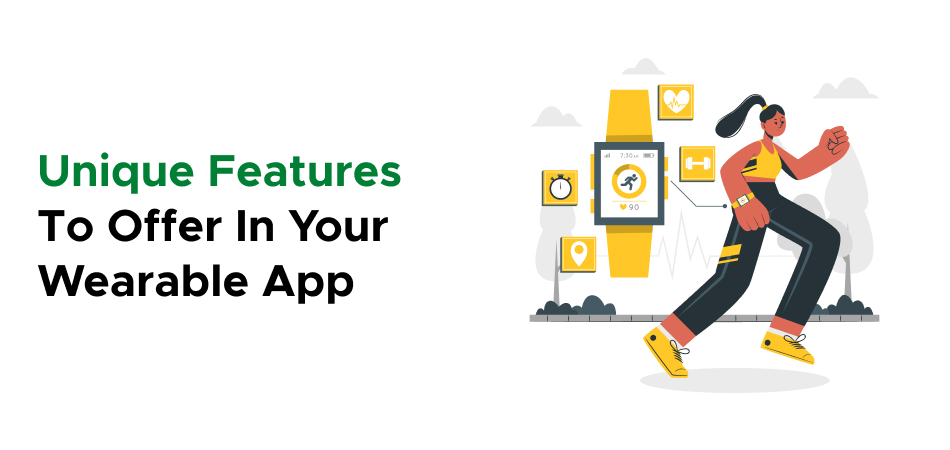
Banner: Unique Features To Offer In Your Wearable App
Wearable applications have become components of interconnected ecosystems, providing seamless synchronisation of data between smartphones, houses and healthcare platforms.
GPS-enabled wearable applications assist active users with GPS navigation to track routes, find directions, and remain safe during outdoor activities and travelling.
The wearables enable users to make instant payments to the devices using the NFC technology, which allows them pay without phones or wallets.
In the future (2026), wearable applications maintain smart power usage by adjusting performance according to user behaviour and real-time usage patterns.
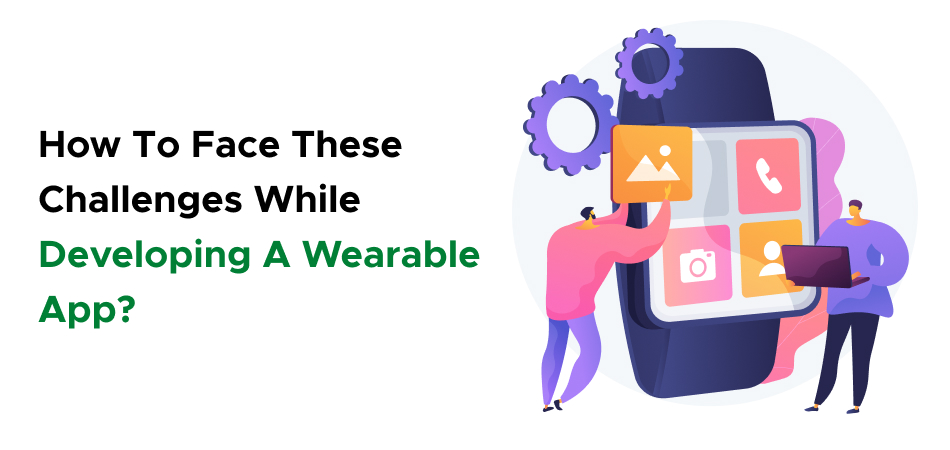
The technological advancements in wearables enable users to operate devices through convenient mechanisms at specific moments. The integration of wearable technology within apps produces various implementation difficulties. Best wearable app development companies must resolve such obstacles when developing wearable applications for success.
Wearable devices encounter a significant obstacle because their battery capacity remains very restricted. Wearables have smaller dimensions than traditional smartphones, with fewer battery storage capacities, a challenge addressed through efficient wearable device app development.
Dyssynchronous data synchronization and heavy processing operations shorten the lifespan of wearable device batteries, degrading their operational effectiveness. A wearable mobile app development company with skill must optimize battery life by reducing background operations and improving app efficiency.
Small screen sizes define wearables, making designing an intuitive interface complex. Users become overwhelmed when developers display extensive information and complex app designs. Minimalist design approaches by developers need to display relevant information only, a challenge that can be expertly addressed by a wearable device app development company.
The development of wearable technology presents an essential challenge to healthcare app development companies regarding how they will achieve appropriate levels of functionality with simplified interfaces, especially through effective wearable application development.
The devices require smartphones and other pairing because they need full data integration and notification capabilities. User success depends on device synchronization because wearable technology connects through distinct protocols, namely Bluetooth, Wi-Fi, and NFC. A determined wearable app development company must create software that operates perfectly between various devices and multiple platforms to deliver a seamless user experience.
Wearable technology gathers numerous sensitive items of personal data comprising health records, user position, and everyday activities. The protection of such data requires immediate attention due to security breach risks. Best wearable app development companies with appropriate encryption methods and strong data privacy mechanisms at the core of their development structure enable quality assurance app development companies to build trust with users while complying with GDPR and HIPAA requirements.
By integrating convenience, intelligence and personalisation, wearable apps redefine how people deal with technology in 2026. With sophisticated AI, proactive health data, and professional integration with devices, wearables have become important digital assistants. Users will be loyal to companies that invest in new wearables for the future.
Partnering with a well-respected firm and experienced developers in the wearables sector will help your company remain competitive by providing ease of use, functional excellence, and compliance with applicable laws. Working with an expert will give you the advantage of differentiating yourself from a host of other products going head-to-head in the marketplace. Want to create a more intelligent wearable application? Meet our professionals and transform your innovative concept into a digital experience that people will love.
FAQS
Q1: What are the advantages of wearable apps to the business today?
Ans 1: Real-time data, alerts, and personalisation enhance the interaction with the user by wearable apps. Companies collaborating with iOS app developers have the opportunity to combine wearables with mobile ecosystems and integrate them with pos software to enable faster payments, loyalty programs, and the ability to operate across devices.
Q 2: Are wearable apps secure for health and payment data?
Ans 2: Yes, there is encryption, authentication through biometrics, and frameworks that depend on compliance. When the practices of proper development are in place, tender health data and transactions are secured, ensuring user confidence and regulatory compliance within industries.
Q 3: Are wearable apps compatible with existing systems?
Ans 3: Absolutely. Wearable applications can integrate with mobile applications, cloud systems and enterprise applications. Senior iOS app developers in place will facilitate easy integrations to ensure that the business consolidates payments, notifications and analytics in a single interconnected system.
Q 4: What are the most helpful industries to develop wearable apps?
Ans 4: It is of great use to healthcare, fitness, retail, logistics and hospitality. Wearables enhance monitoring, productivity, and customer engagement, contributing to smarter and faster digital interactions.


Partner with us to bring your vision to life.



 +61 (42) 108-3277
 contact@7pillars.com.au
 294A Station Street,
