









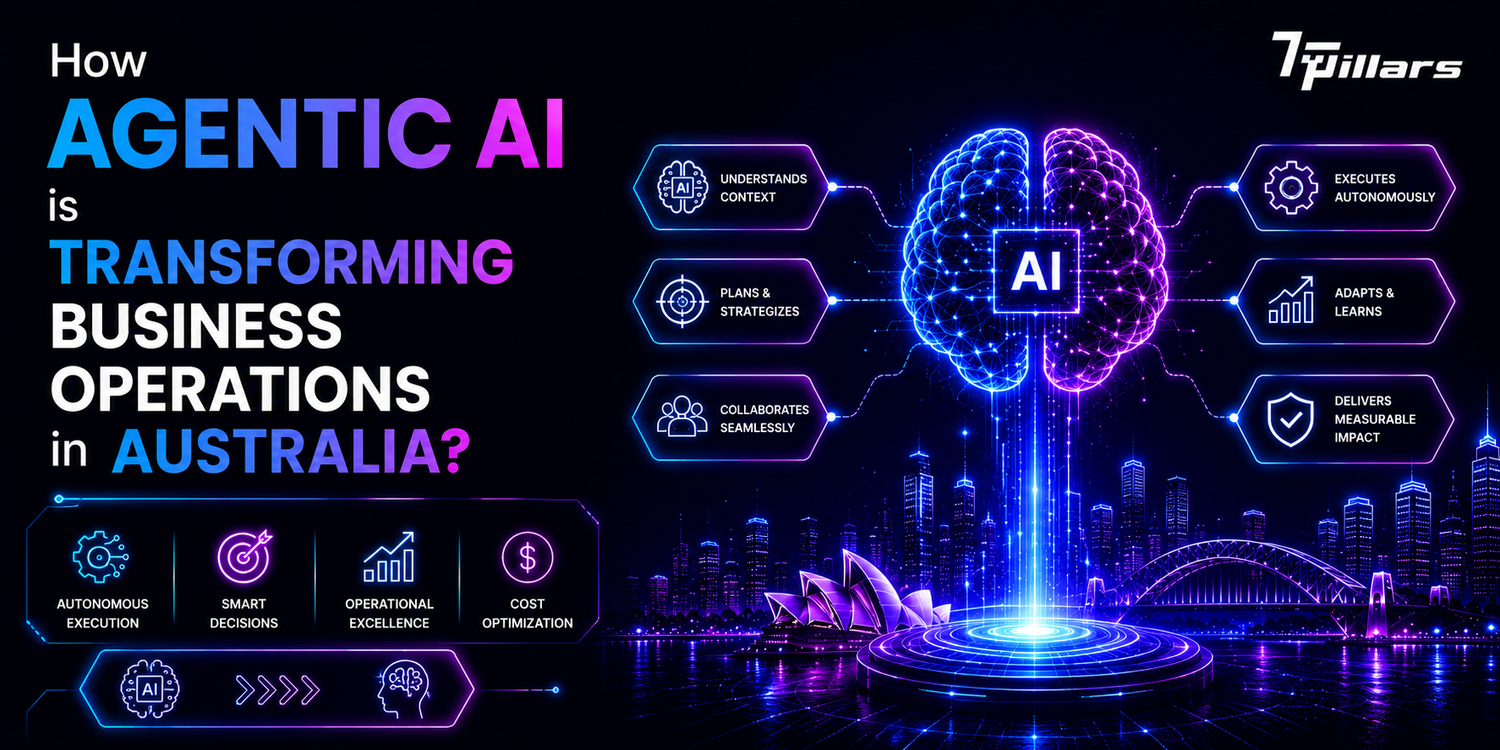



Australian business organisations can be more efficient and make informed decisions with intelligent automation. It is achieved through AI-powered systems that allow workflow management and better operations. Partnering with an agentic AI development company enables organisations to build advanced AI-driven ecosystems that automate complex processes, optimise decision-making, and deliver seamless operational experiences.
This shift is increasing demand for intelligent digital ecosystems powered by agentic AI. Businesses are partnering with an agentic AI development company in Australia to build scalable systems that improve productivity, customer experiences, and operational performance.
This blog breaks down:
- What agentic AI is?
- Why are businesses adopting it?
- Benefits of intelligent automation
- Real-world business use cases
Businesses on an extended journey toward digitisation must recognise the significance of understanding agentic AI.
AI-Powered Operations
This blog post targets organisations that plan to incorporate AI-driven automation into their operations and customer service systems.
This blog is helpful for:
- Enterprises modernising operations
- Retail and logistics businesses
- Healthcare and finance companies
- Startups building AI-powered platforms
- Teams exploring intelligent automation systems
Most businesses reach this stage when:
- Manual workflows reduce productivity
- Operational costs continue increasing
- Existing automation lacks flexibility
- Businesses require faster decisions
- Customer expectations continue growing
Agentic AI supports scalability and operational efficiency.
What is Agentic AI?
“Agentic AI can be defined as an intelligent system that can independently analyse data, make decisions, perform tasks, and adjust to new situations without much human input.”
Core Capabilities
- Real-time decision making
- Intelligent workflow execution
- Adaptive learning systems
- Predictive operational analysis
- Autonomous process optimisation
- Multi-step task coordination
Agentic AI improves operational flexibility and responsiveness.
Why is Agentic AI Growing in Australia?
The Australian business environment is characterised by extensive investments in intelligent automation owing to the complexity involved.
Key Drivers
- Rising operational costs
- Increasing customer expectations
- Need for faster decision making
- Large-scale data management
- Growing demand for automation
- Expansion of digital ecosystems
- Increasing competition across industries
- Demand for scalable business systems
Businesses are investing in AI-driven systems to remain competitive. A well experienced cross-platform app development company in Australia can help you grow your business.
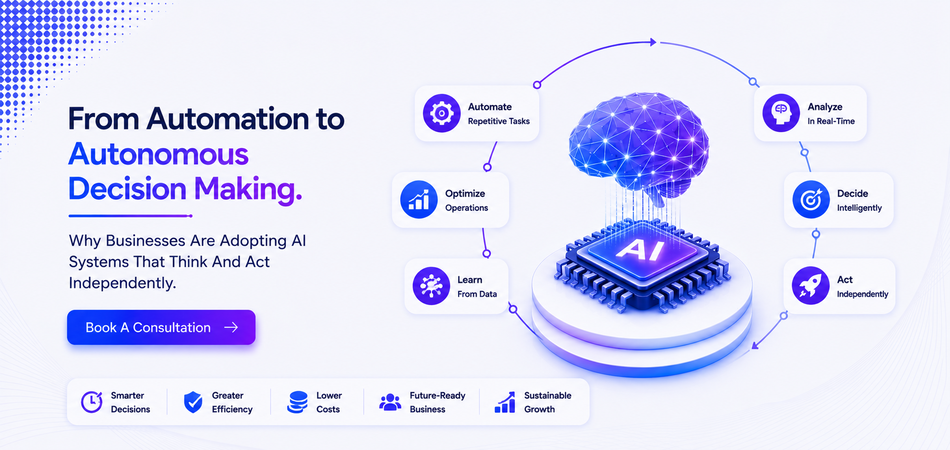
How Agentic AI Works?
Agentic AI combines artificial intelligence and analytics to manage workflows and operational processes.
1. Data Processing Systems
AI systems analyse large volumes of operational data in real time.
- Pattern recognition
- Behaviour tracking
- Predictive analysis
- Data interpretation
- Decision support systems
2. Machine Learning Models
Intelligent systems allow AI systems to continue improving.
- Adaptive Learning
- Performance Optimisation
- Behaviour prediction
- Automated improvements
- Workflow intelligence
3. Decision-Making Engines
AI systems evaluate conditions and execute actions automatically.
- Real-time decisions
- Context-based responses
- Risk analysis systems
- Workflow prioritisation
- Intelligent coordination
 4. Automation Frameworks
Automation systems allow AI agents to manage operational tasks independently.
- Workflow automation
- Task orchestration
- Operational coordination
- System integrations
- Process execution systems
5. Feedback Systems
Continuous feedback improves AI performance over time.
- Performance monitoring
- Predictive corrections
- Behaviour optimisation
- Continuous learning
- Operational improvements
Businesses often work with an agentic AI development company in Australia to integrate these systems.
Benefits of Agentic AI Development for Businesses
Agentic AI enhances the effectiveness and business performance.
1. Improved Operational Efficiency
Intelligent systems can help automate complex jobs.
- Faster workflows
- Reduced manual effort
- Better operational coordination
- Lower processing delays
- Increased productivity
2. Faster Decision Making
Agentic AI enables businesses to respond quickly to changing conditions.
- Real-time operational responses
- Predictive recommendations
- Improved workflow accuracy
- Better resource allocation
- Faster issue resolution
3. Reduced Operational Costs
Automation reduces dependency on manual operations.
- Lower administrative costs
- Reduced workflow inefficiencies
- Improved operational scalability
- Better time management
- Reduced staffing pressure
4. Better Customer Experiences
AI-driven systems personalise customer interactions more effectively.
- Personalised recommendations
- Faster support systems
- Intelligent customer interactions
- Behaviour-based engagement
- Real-time assistance
5. Scalable Business Systems
Agentic AI supports long-term operational growth.
- Flexible infrastructure
- Scalable workflows
- Improved operational flexibility
- Continuous optimisation
- Automated scalability support
Businesses increasingly adopt an artificial intelligence application strategy for long-term scalability.
Use Cases of Agentic AI in Australia
In Australia, businesses from various industries are incorporating intelligent automation technology into their organisations.
1. Retail and E-commerce
AI systems help retail stores to enhance customer interaction and stock management.
- Inventory forecasting
- Personalised recommendations
- Automated customer support
- Dynamic pricing systems
- Real-time order management
2. Healthcare
AI systems are helping healthcare organisations to be more efficient.
- Patient scheduling systems
- Predictive healthcare analysis
- Medical workflow automation
- AI-powered assistants
- Health data processing
3. Finance and Banking
Financial institutions use AI automation for safer, faster operations.
- Fraud detection systems
- Automated compliance checking
- Financial forecasting
- Customer support services
- Intelligent transaction monitoring
4. Logistics and Supply Chain
Logistics companies use AI agents to optimise delivery and warehouse operations.
- Route optimisation
- Delivery coordination
- Warehouse automation
- Fleet management systems
- Predictive inventory planning
5. Customer Service Operations
Businesses use AI systems to improve communication and support efficiency.
- AI-powered chat systems
- Automated ticket management
- Real-time issue resolution
- Customer sentiment analysis
- Intelligent response systems
Businesses increasingly partner with an agentic AI development company in Australia for industry-specific automation systems.
Role of Mobile Applications in Agentic AI
Mobile applications help businesses access intelligent automation systems in real time.
Key Advantages
- Real-time operational tracking
- AI-powered notifications
- Intelligent customer engagement
- Mobile workflow management
- Faster operational decisions
- Remote business accessibility
- Real-time analytics visibility
- Cross-platform communication
Businesses usually partner with a mobile app development company to incorporate intelligent functionalities in enterprise-level apps.
Technologies Powering Agentic AI
Agentic AI systems are powered by cutting-edge technology.
1. Artificial Intelligence
AI forms the foundation of intelligent operational systems.
- Predictive analytics
- Behaviour modelling
- Intelligent recommendations
- Data interpretation
- Automated learning systems
2. Cloud Computing
Cloud infrastructure supports scalable AI operations.
- Real-time data access
- Flexible computing power
- Scalable infrastructure
- Faster processing systems
- Distributed operations
3. Natural Language Processing
By applying NLP, AI systems can learn to comprehend human communication.
- Conversational AI systems
- Smart chat interfaces
- Automated communication
- Voice interaction systems
- Language understanding
4. Machine Learning
ML improves accuracy and adaptability.
- Pattern recognition
- Predictive systems
- Continuous learning
- Behaviour analysis
- Operational optimisation
Machine learning integration in flutter mobile applications helps you enhance your app’s performance.
5. API Integrations
Integrations connect AI systems with enterprise platforms.
- CRM integrations
- ERP connectivity
- Workflow automation
- Payment systems
- Cross-platform communication
Many businesses that invest in artificial intelligence software development often incorporate these advanced technologies in their digital ecosystems.
Implementation Strategies for Agentic AI Development
Businesses require a structured implementation strategy to integrate agentic AI.
1. Define Business Objectives
Clear goals improve implementation efficiency and scalability.
- Identify operational gaps
- Define automation goals
- Prioritise workflows
- Set performance benchmarks
- Align technology with business needs.
2. Build Scalable Infrastructure
Infrastructure planning supports long-term AI scalability.
- Cloud infrastructure setup
- System integration planning
- Scalable architecture design
- Data management systems
- Performance optimisation
3. Integrate AI Systems
Businesses must integrate AI into operational environments carefully.
- Workflow automation setup
- AI model deployment
- Data integration systems
- Operational testing
- Process optimisation
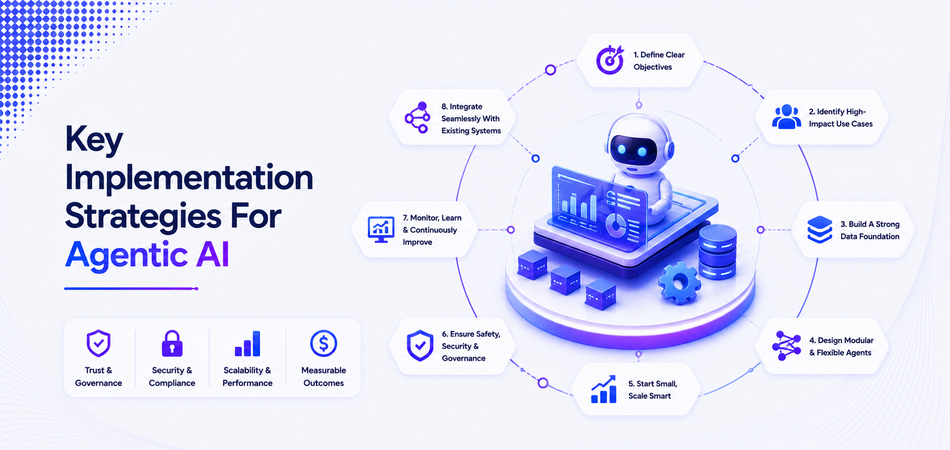 4. Monitor Performance
Continuous monitoring improves operational performance.
- Performance tracking
- AI behaviour analysis
- Workflow monitoring
- Operational reporting
- Predictive optimisation
5. Scale Operations
Scalable systems support future business growth.
- Infrastructure expansion
- Multi-system integration
- Advanced automation
- AI optimisation strategies
- Long-term operational scaling
Businesses often rely on an agentic AI development company in Australia to implement scalable AI ecosystems effectively.
Challenges in Agentic AI Implementation
Challenges may be experienced during the implementation of intelligent automation systems in businesses.
1. System Complexity
Advanced AI systems require sophisticated infrastructure and integrations.
- Complex architecture planning
- Multi-system coordination
- Integration challenges
- Infrastructure management
- Workflow dependencies
2. Data Management
AI systems depend heavily on structured and accurate data.
- Data consistency issues
- Storage scalability
- Real-time processing requirements
- Large-scale analytics handling
- Data accuracy management
3. Security and Compliance
Businesses must ensure AI systems remain secure and compliant.
- Data privacy protection
- Cybersecurity risks
- Compliance requirements
- Fraud prevention systems
- Access management controls
4. High Initial Investment
Advanced automation systems often require significant investment.
- Infrastructure expenses
- AI model training
- Development costs
- Integration spending
- Maintenance requirements
5. Workforce Adaptation
Teams must adapt to AI-driven operational systems.
- Employee training
- Workflow restructuring
- Change management
- Skill development
- Operational adjustments
Proper planning reduces implementation risks significantly. An IoT mobile app development company in Australia can help you efficiently face these challenges.
ROI of Agentic AI for Businesses
Agentic AI brings tangible benefits in operations, productivity, and customer experience.
1. Increased Productivity
Automation enhances the overall operational efficiency.
- Faster workflow execution
- Reduced operational delays
- Improved coordination
- Better time management
- Increased process efficiency
2. Revenue Growth
AI systems improve customer engagement and operational scalability.
- Higher customer retention
- Improved service delivery
- Faster operational execution
- Better customer experiences
- Increased business opportunities
3. Better Decision Making
AI-driven insights improve strategic planning and execution.
- Predictive operational analysis
- Real-time reporting
- Intelligent forecasting
- Better resource planning
- Improved operational visibility
4. Operational Scalability
Businesses can scale operations more efficiently using AI systems.
- Flexible infrastructure
- Automated workflows
- Operational adaptability
- Better performance management
- Continuous optimisation
Businesses adopting AI systems improve long-term operational performance.
Future Trends in Agentic AI
Agentic AI will continue evolving rapidly as businesses invest in advanced automation systems.
1. Autonomous Business Operations
AI systems will increasingly manage workflows independently.
- Automated operations
- Intelligent workflow management
- Self-optimising systems
- Real-time adaptability
- Autonomous coordination
2. Hyper-Personalised Experiences
Businesses will deliver highly personalised customer interactions.
- Dynamic recommendations
- Behaviour-based experiences
- Adaptive interfaces
- Personalised communication
- Intelligent engagement systems
3. Multi-Agent AI Systems
Businesses will deploy multiple AI agents working collaboratively.
- Coordinated AI ecosystems
- Distributed decision making
- Task-specific AI systems
- Enterprise-wide automation
- Collaborative AI application workflows
4. AI-Powered Enterprise Platforms
AI systems will integrate deeply into enterprise operations.
- Intelligent ERP systems
- AI-driven dashboards
- Automated analytics
- Smart operational platforms
- Workflow optimisation systems
5. Smarter Mobile AI Applications
Mobile platforms will become increasingly intelligent and adaptive.
- AI-powered mobile workflows
- Predictive mobile systems
- Intelligent mobile assistants
- Real-time operational insights
- Adaptive mobile experience
It is common for companies to collaborate with a top mobile application development company to integrate AI ecosystems.
AI-driven Logistics Revolution
An Australian logistics company often faces many challenges, such as late delivery, poor fleet management, and rising operational costs.
Implementation Strategy
- Introduced route optimisation systems
- Automated fleet scheduling
- Added predictive inventory planning
- Integrated AI-powered dashboards
- Implemented real-time tracking systems
Results
- Faster delivery operations
- Reduced operational costs
- Improved fleet efficiency
- Better inventory coordination
- Higher customer satisfaction
Conclusion
Agentic AI will transform the methods of automation, decision-making, and organisational growth in Australia. Businesses with intelligent automation systems are more likely to be efficient and have better customer experiences. Partnering with an agentic AI development company in Australia can help organisations implement intelligent solutions that improve operational efficiency and long-term scalability. Organisations collaborating with an agentic AI development company in Australia help create digital ecosystems that can support future growth. Connect with our team and begin your journey to success.
FAQS
Q 1. What technologies are required for agentic AI?
Ans 1. Agentic AI systems rely on multiple advanced technologies working together.
- Artificial intelligence models
- Machine learning systems
- Cloud infrastructure
- Real-time analytics platforms
Q 2. Why are businesses adopting agentic AI?
Ans 2. Businesses use agentic AI to improve efficiency and operational scalability.
Faster workflows
- Reduced manual operations
- Better customer experiences
- Improved operational visibility
Q 3. How is agentic AI different from traditional automation?
Ans 3. Traditional automation follows fixed rules, while agentic AI can adapt and make decisions independently.
- Dynamic decision making
- Adaptive workflows
- Real-time learning capabilities
- Intelligent process execution
Q 4. How long does agentic AI implementation take?
Ans 4. Implementation timelines vary depending on system complexity and business requirements.
- Infrastructure setup time
- Integration requirements
- Workflow complexity
- AI model training process
Q 5. How do mobile apps support agentic AI?
Ans 5. Mobile applications help businesses access intelligent systems in real time.
- Operational tracking
- AI-powered notifications
- Mobile workflow management

Sundeep Mann

Get in touch
We'd love to hear from you.






 +61 42 108-3277

 contact@7pillars.com.au
 Stay Inspired with our