










Australian hospitals and medical facilities are under constant pressure to improve patient care. This is because of the increasing rate of the aged population, chronic illnesses, and mental health issues across the country. According to a recent report by the Australian Institute of Health and Welfare, dementia has become the leading cause of death in senior citizens. Additionally, Australian youngsters are facing anxiety and mood disorders more than ever before.
The table shows Dementia ranks as the leading cause of death for Australians.
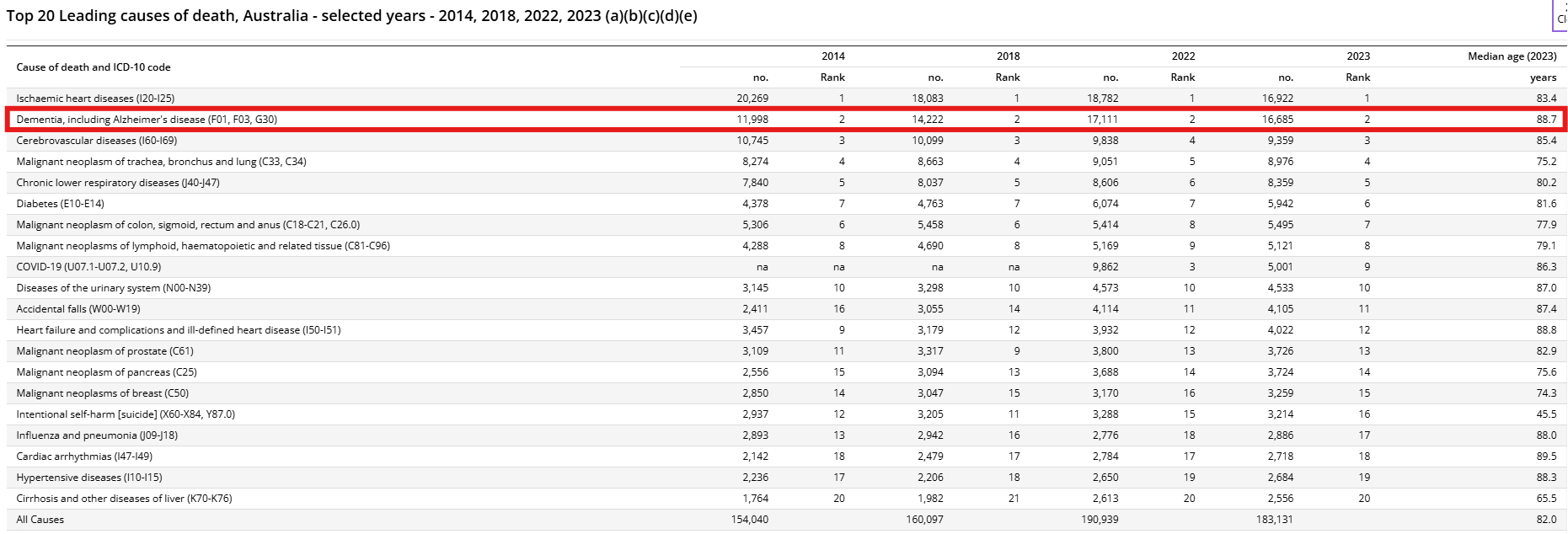
Source: AIHW Dementia Reports
As the healthcare system faces much strain to cope with these problems, healthcare app development emerges as a problem solver for them. From telehealth platforms to remote patient monitoring apps, it not only improves overall care delivery but also streamlines clinical workflows in hospitals and clinics. Therefore, shedding light on this topic, we will cover:
- Why are healthcare mobile apps important?
- Role of healthcare mobile apps in improving patient care.
- What should care providers check before adopting mobile apps?
- How 7Pillars helps you build modern healthcare apps?
Why are Healthcare Mobile Apps Important?
As every industry is moving towards technology driven workflows and digital transformation, healthcare is no exception. Healthcare app development companies are so efficient in building custom mobile apps that make medical services greatly accessible, connected, and efficient.
Through mobile healthcare apps, patients can:
- Book appointments remotely without waiting in reception for hours.
- Get doctor’s consultations through audio, video, and text from the comfort of their home.
- Get their entire record of medical history within a few clicks
- Receive notifications and alerts for taking medicine, upcoming appointments, and treatment follow-ups.
Furthermore, healthcare apps not only help patients but also healthcare providers as well. Medical professionals can:
- Automate and streamline routine administrative tasks like:
- Doctor’s availability management
- Patient registration and queue management
- Staff shift management and a lot more.
- Communicate seamlessly within their departments
- Deliver personalised care to patients with specific illnesses.
- Access real-time patient data and medical reports to make quick clinical decisions.
Now you know the reasons why the healthcare sector requires mobile apps to make their operations more efficient and deliver better care to their patients. Let’s jump straight to the focus of today’s blog, which involves the role of mobile apps in improving patient care.
How Are Healthcare Mobile Apps Improving Patient Care in 2026?
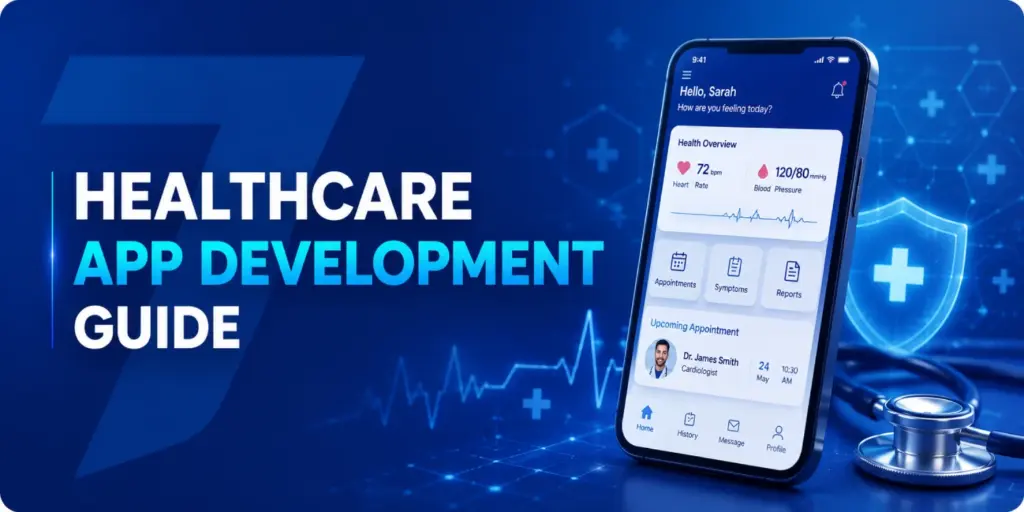
Healthcare app development has revolutionised the way care providers treat their patients and deliver medical services. Medical apps for smartphones bridge the gap between patients and healthcare providers by connecting them remotely for audio/video consultations, e-prescriptions, ordering medicine, and monitoring patients anytime from anywhere.
In essence, these capabilities of mobile apps significantly help patients to comfortably and easily access medical services from their home. In addition, they help clinicians to monitor and treat their patients more effectively and efficiently.
Key ways in which patient care has been improved with healthcare apps:
- Mobile healthcare apps increased the accessibility of medical services to patients living in remote areas.
- These apps help patients to actively communicate with their care providers on-the-go.
- Such apps also help patients to proactively engage in managing their health and treatment.
- Some specialised apps also help patients in supporting the management of chronic illnesses and mental health conditions.
- Patients get personalised care from their care providers through these apps.
- Well-equipped healthcare apps also help in making data driven clinical decisions for treatment and illness prevention.
- Medical professionals can remotely monitor patients’ real-time vital signs and deliver care virtually.
Through these features, healthcare apps significantly improve overall patient care. However, if you decide to adopt healthcare mobile apps, you should be aware of some important factors that we discuss below.
What Should Care Providers Check Before Adopting Mobile Apps?
Health-related information is one of the most sensitive types of data businesses deal with. Also, the government mandates a lot of compliance and regulations to follow if you are dealing with such data of your customers. That’s the reason why you should consider the factors when adopting a healthcare mobile app.
Security & Compliance
Healthcare providers deal with extremely sensitive information of patients. So, it becomes necessary to comply with Australian compliance requirements such as Australian Privacy Principles (APP) and The Privacy Act 1988. These standards state that healthcare apps should include security and privacy features such as end-to-end data encryption, secure authentication and authorisation to access data, etc.
Integrations
Healthcare apps require seamless data exchange with existing systems such as Hospital Management Systems, Laboratory Information Systems, or any other system you might already use. Additionally, integration with EHR/EMR systems is also essential for accessing standardised health or medical records of your patients.
Scalability and Ongoing Support
Healthcare is an evolving industry. So, the app you’re going to use should be scalable enough to support new users, growing demands for new features, AI, and integration capabilities. Furthermore, compliance also changes from time to time. So, the app should be flexible enough to update with evolving compliance requirements to meet legal and industry requirements.
Other factors are also important, such as reliability, performance, and ease of use. That’s the reason why you should choose the right technology partner who takes care of everything so that you can focus on your business priorities rather than struggle with security and compliance complications.
How does 7Pillars help You with Healthcare App Development for Improving Patient Care?
If you’re looking to build a healthcare app that is equipped with all the necessary features with advanced capabilities, choosing the right healthcare app development company like 7Pillars is crucial. With over 10 years of experience across app development in healthcare, we have developed more than 150 apps and software spanning from AI Health Assistants and Telemedicine Apps to Medication Management and Clinical Decision Support Systems.
As a renowned healthcare app development services provider in Melbourne, we employ some of the best healthcare app developers in Australia. With such expertise, we help you deploy a robust system (with a mobile app if you require) equipped with custom features as per your workflows and processes. Through these apps, you can streamline your administrative tasks, increase efficiency of processes and reduce operational costs.
Every successful healthcare app starts with the right technology partner. And, we are eager to discuss your software requirements and understand your vision for your healthcare business. You can fill this form right here and book a free consultation with our experts today.
Frequently Asked Questions
Q1. How do healthcare mobile apps improve patient care?
Ans: Healthcare mobile apps improve patient care by enabling remote consultations, continuous health monitoring, faster access to medical records, medication reminders, and secure communication between patients and providers.
Q2. Which healthcare services benefit the most from mobile app development?
Ans: Healthcare app development benefits hospitals, clinics, diagnostic centers, mental health providers, home healthcare agencies, pharmacies, and HealthTech startups.
Q3. What technologies are shaping healthcare app development in 2026?
Ans: AI, wearable device integration, IoT, cloud computing, telemedicine, predictive analytics, and blockchain healthcare app development are transforming healthcare apps in 2026.
Q4. What should healthcare providers consider before investing in healthcare app development?
Ans: Healthcare providers should evaluate regulatory compliance, data security, interoperability with existing systems, scalability, user experience, and long-term maintenance.
Q5. How does AI healthcare app development improve healthcare operations?
Ans: AI healthcare app development automates appointment scheduling, patient triage, clinical documentation, and data analysis while providing predictive insights for clinicians.

Sundeep Mann

Get in touch
We'd love to hear from you.



 +61 42 108-3277

 contact@7pillars.com.au
 Stay Inspired with our