Organisations in Australia are integrating cloud computing with artificial intelligence to enhance efficiency through cloud AI solutions. The firms are developing advanced and scalable digital solutions.
This trend has brought about a change in the way business processes are managed and customer experience enhanced. Most businesses have partnered with an AI mobile app development company to develop AI-driven platforms.
Firms are also working with a mobile application development company to develop cloud-based platforms.
This blog breaks down:
- Why cloud and AI integration is growing
- Benefits of intelligent cloud systems
- Real-world business applications
- Implementation strategies and challenges
- Future trends shaping Australian businesses
Cloud and AI integration is becoming essential for modern business growth.
Cloud & AI For Smarter Business Growth
This blog is designed for businesses planning to modernise operations using cloud and AI technologies.
This blog is useful for:
- Enterprises upgrading legacy systems
- Retail and e-commerce businesses
- Healthcare and finance companies
- Logistics and operations teams
- Startups building scalable platforms
Most businesses reach this stage when:
- Existing systems become difficult to scale
- Operational costs continue increasing
- Manual processes reduce productivity
- Businesses require faster decisions
- Customer expectations continue growing
Cloud and AI systems improve operational flexibility and scalability.
What is Cloud and AI Integration?
Cloud AI integration refers to combining cloud-based technologies with AI to enhance automation and efficiency.
Core Capabilities
- Real-time data processing
- Intelligent workflow automation
- Predictive analytics systems
- Cloud-based scalability
- AI-powered decision making
- Automated operational management
Businesses use these systems to improve efficiency and digital scalability.
Why Are Businesses in Australia Investing in Cloud and AI?
As digital business becomes more complex, there is a greater investment in intelligent cloud AI solutions and cloud environments in the current Australian business environment.
Key Drivers
- Rising operational costs
- Growing demand for automation
- Increasing customer expectations
- Expansion of digital operations
- Need for scalable infrastructure
- Real-time data management requirements
- Increasing cybersecurity concerns
- Competitive digital transformation strategies
Business organisations are adopting Cloud and AI solutions to remain competitive.
How To Combine Cloud and AI?
Cloud and AI are combined to automate functions and analyse.
1. Cloud Infrastructure
Cloud systems provide scalable operational environments.
- Flexible infrastructure
- Real-time accessibility
- Distributed computing systems
- Scalable storage solutions
- Remote operational management
2. Artificial Intelligence Models
These AI solutions are analysing data and automating various processes.
- Predictive analytics
- Behaviour analysis
- Intelligent recommendations
- Automated learning systems
- Workflow optimisation
3. Data Processing Systems
Data systems manage operational information in real time.
- Pattern recognition
- Real-time analytics
- Data interpretation
- Behaviour tracking
- Decision support systems
4. Automation Frameworks
Automation systems improve workflow efficiency across operations.
- Workflow automation
- Task coordination
- Operational management
- Intelligent scheduling
- Process execution systems
 5. Integration Platforms
Integration systems connect cloud and AI technologies with enterprise operations.
- API integrations
- CRM connectivity
- ERP coordination
- Cross-platform communication
- Workflow synchronisation
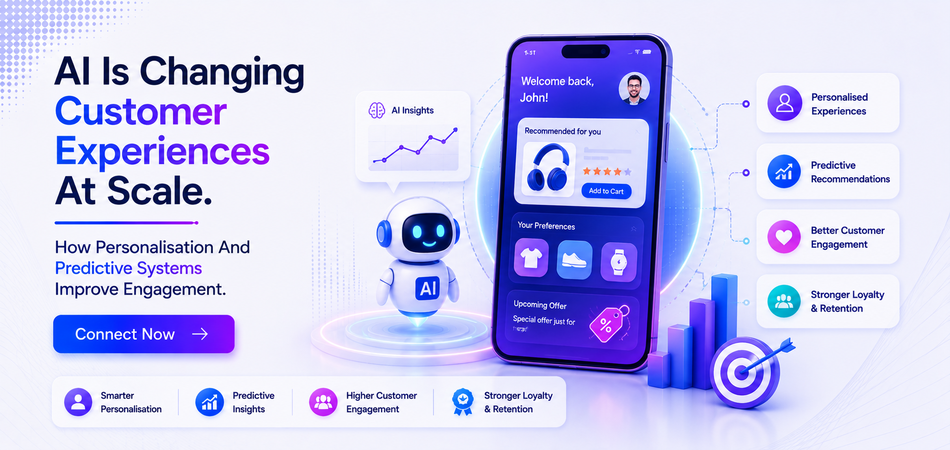
Businesses increasingly work with an artificial intelligence mobile app development company to implement scalable cloud ecosystems.
Benefits of Cloud and AI Integration
The Cloud and AI Integration are intended to improve effectiveness, scalability, and customer experience.
1. Increased Operational Effectiveness
Through intelligent cloud ecosystems and cloud AI solutions, Australian organisations across all industries have optimised their operations and improved the customer experience.
- Faster operational processes
- Reduced manual effort
- Better workflow coordination
- Lower operational delays
- Improved productivity
2. Scalable Business Infrastructure
Cloud systems help businesses scale operations more efficiently.
- Flexible infrastructure expansion
- Better resource allocation
- Reduced hardware dependency
- Improved infrastructure management
- Scalable operational systems
3. Faster Decision Making
AI-powered analytics improve operational and strategic decisions.
- Real-time reporting
- Predictive recommendations
- Intelligent forecasting
- Better operational visibility
- Faster issue resolution
4. Reduced Operational Costs
Cloud systems reduce infrastructure and maintenance spending.
- Lower infrastructure expenses
- Reduced maintenance costs
- Better cost management
- Improved operational efficiency
- Reduced administrative pressure
5. Better Customer Experiences
AI systems personalise customer interactions more effectively.
- Personalised recommendations
- Intelligent customer engagement
- Faster support systems
- Real-time interactions
- Behaviour-based experiences
Businesses increasingly adopt an artificial intelligence application strategy for scalable growth.
Use Cases of Cloud and AI Integration in Australia
Through intelligent and multi-cloud ecosystems, companies in Australia will continuously develop innovations and interact with consumers.
1. Retail and e-commerce
In Australia, many retailers are using AI to enhance their operational efficiency.
- Inventory forecasting
- Dynamic pricing systems
- Automated customer support
- Real-time order tracking
- Personalised recommendations
2. Healthcare
Healthcare organisations use cloud and AI technologies to improve patient management and operations.
- Digital patient systems
- Predictive healthcare analytics
- Medical workflow automation
- AI-powered assistants
- Health data management
3. Finance and Banking
Financial institutions use intelligent cloud systems for faster operations.
- Fraud detection systems
- Automated compliance monitoring
- Financial forecasting
- AI-driven customer support
- Real-time transaction analysis
4. Logistics and Supply Chain
Logistics companies use AI-powered cloud systems to optimise operations.
- Route optimisation
- Fleet management systems
- Warehouse automation
- Delivery coordination
- Predictive inventory planning
5. Customer Service Operations
Businesses use intelligent systems to improve support efficiency and communication.
- AI-powered chat systems
- Automated ticket management
- Customer sentiment analysis
- Intelligent response systems
- Real-time issue resolution
Businesses often rely on a top mobile app development company to build scalable cloud-connected applications.
Role of Mobile Applications in Cloud and AI Ecosystems
Mobile applications help businesses access cloud-powered AI systems in real time.
Key Advantages
- AI-powered notifications
- Real-time operational tracking
- Mobile workflow management
- Intelligent customer engagement
- Cloud-based accessibility
- Real-time analytics visibility
- Remote operational access
- Faster business communication
Businesses collaborate with the best app development company to build scalable enterprise applications.
Technologies Powering Cloud and AI Integration
There is a wide variety of advanced technologies in the cloud & AI ecosystem, including:
1. Artificial Intelligence.
Many businesses can potentially benefit from using AI to optimise many operational aspects.
- Predictive analytics
- Behaviour modelling
- Intelligent recommendations
- Automated learning systems
- Workflow optimisation
2. Cloud Computing
Cloud infrastructure provides scalable operational environments.
- Flexible infrastructure
- Distributed computing
- Real-time accessibility
- Operational scalability
- Centralised data systems
3. Machine Learning
Machine learning improves automation and adaptability.
- Continuous learning
- Pattern recognition
- Predictive systems
- Behaviour analysis
- Operational optimisation
4. Big Data Analytics
Analytics systems process large-scale operational information.
- Real-time data analysis
- Predictive reporting
- Data visualisation
- Business intelligence systems
- Operational insights
5. API Integrations
Integration systems connect AI platforms with enterprise operations.
- CRM integrations
- ERP connectivity
- Workflow automation
- Payment system integrations
- Cross-platform communication
AI software development helps businesses create scalable digital environments.
Implementation Strategies for Cloud and AI
Putting cloud and AI technologies into operation within integration businesses requires strategic planning.
1. Define Business Objectives
Clear goals improve implementation efficiency.
- Identify operational gaps
- Define automation goals
- Prioritise workflows
- Set performance benchmarks
- Align technology with business needs
2. Build Scalable Infrastructure
Infrastructure planning supports long-term scalability.
- Cloud architecture planning
- Data storage systems
- Infrastructure scalability
- Security frameworks
- Performance optimisation
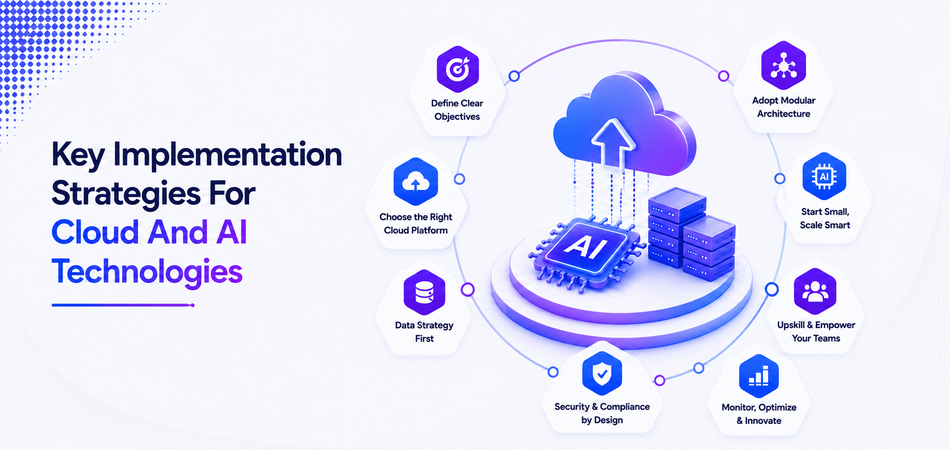 3. Integrate AI Systems
AI systems must integrate smoothly into operational environments.
- Workflow automation setup
- AI model deployment
- Data integration systems
- Operational testing
- Process optimisation
4. Monitor Performance
Continuous monitoring improves operational efficiency.
- Workflow tracking
- AI behaviour analysis
- Operational reporting
- Predictive optimisation
- Performance management
5. Scale Operations
Scalable systems support future business expansion.
- Infrastructure expansion
- Multi-system integrations
- Operational flexibility
- Advanced automation systems
- Continuous optimisation strategies
Businesses often work with an artificial intelligence mobile app development company to implement intelligent cloud systems effectively.
Challenges in Cloud and AI Integration
Businesses face several operational and technical challenges during implementation.
1. System Complexity
Cloud and AI ecosystems require advanced infrastructure planning.
- Complex architecture design
- Multi-platform integrations
- Workflow dependencies
- Infrastructure coordination
- Operational management challenges
2. Data Security
Businesses must protect operational and customer data effectively.
- Cybersecurity risks
- Data privacy protection
- Compliance requirements
- Fraud prevention systems
- Access management controls
3. Infrastructure Costs
Advanced cloud ecosystems often require significant investment.
- Infrastructure expenses
- AI deployment costs
- Integration spending
- Maintenance requirements
- Long-term operational costs
4. Data Management
AI systems rely heavily on structured and accurate data environments.
- Storage scalability
- Real-time processing requirements
- Data consistency management
- Large-scale analytics handling
- Data accuracy issues
5. Workforce Adaptation
Teams must adapt to AI-powered operational systems.
- Employee training
- Workflow restructuring
- Skill development
- Change management
- Operational adjustments
Proper planning improves implementation efficiency significantly.
ROI of Cloud and AI Integration
Cloud and AI systems deliver measurable operational and financial value for businesses.
1. Increased Productivity
Automation improves workflow efficiency across departments.
- Faster workflow execution
- Reduced operational delays
- Better coordination systems
- Improved productivity management
- Streamlined operational processes
2. Revenue Growth
Smart solutions enable better customer interaction and scalability.
- Higher customer retention
- Improved service delivery
- Better SaaS services
- Faster operational execution
- Better customer experiences
- Increased business opportunities
3. Better Decision Making
AI-driven analytics improve operational visibility and planning.
- Predictive operational analysis
- Real-time reporting
- Intelligent forecasting
- Resource optimisation
- Better operational visibility
4. Reduced Infrastructure Costs
Cloud systems reduce dependency on expensive physical infrastructure.
- Lower hardware expenses
- Reduced maintenance costs
- Better infrastructure management
- Flexible operational scaling
- Improved resource efficiency
5. Improved Customer Retention
AI-powered systems create more personalised customer experiences.
- Faster issue resolution
- Personalised interactions
- Better service consistency
- Improved engagement rates
- Higher customer satisfaction
Intelligent cloud ecosystems provide benefits to organisations through improving the efficiency and effectiveness of their operations and future performance.
Future Trends in Cloud and AI Integration
As companies implement the latest cloud AI solutions and AI ecosystem technologies, their integration will evolve and become increasingly advanced because of automation and analytics capabilities.
1. Autonomous Cloud Operations
AI systems will increasingly manage cloud environments independently.
- Automated infrastructure management
- Intelligent workload balancing
- Self-optimising systems
- Predictive resource allocation
- Real-time operational adaptation
2. Hyper-Personalised Experiences
Businesses will deliver more personalised digital interactions.
- Behaviour-based experiences
- Dynamic recommendations
- Adaptive interfaces
- Intelligent engagement systems
- Personalised communication
3. Multi-Cloud Environments
Businesses will adopt multiple cloud ecosystems for flexibility.
- Distributed infrastructure systems
- Cross-cloud operations
- Flexible workload management
- Scalable operational environments
- Improved infrastructure reliability
4. AI-Powered Cybersecurity
AI systems will improve digital security and risk management.
- Threat detection systems
- Fraud prevention automation
- Intelligent security monitoring
- Predictive risk analysis
- Real-time security responses
5. Smarter Mobile AI Applications
Mobile applications will become increasingly intelligent and adaptive.
- AI-powered mobile workflows
- Predictive mobile systems
- Intelligent mobile assistants
- Real-time operational insights
- Adaptive mobile experiences
Firms today are partnering with Android application development organisations to create scalable cloud-enabled AI systems.
AI-Enabled Business Transformation
The Australian retailer faced challenges with its inventory management and customer interaction.
Execution Plan
- Implemented AI-backed inventory forecasts
- Enabled cloud analytics dashboard
- Added automated customer support systems
- Implemented predictive sales analytics
- Deployed real-time order tracking systems
Results
- Improved inventory accuracy
- Faster operational workflows
- Better customer engagement
- Reduced operational costs
- Higher sales performance
Cloud and AI systems have improved operational scalability.
Conclusion
The integration of cloud computing and artificial intelligence technology has changed how businesses in Australia automate their operations and deliver customer experiences through cloud AI solutions. The investment in intelligent cloud environments will ensure improved scalability, operational efficiency, and digital expansion.
Businesses investing in artificial intelligence software development are collaborating with mobile app development companies to create future-proof digital solutions for business expansion by 2026. Connect with our team to start building your dream project.
FAQS
Q 1. How long does cloud and AI implementation take?
Ans 1. Implementation timelines depend on system complexity and business requirements. A well-known on-demand app development company in Australia can help you integrate AI and cloud computing into your app.
- Infrastructure setup
- AI model deployment
- Integration requirements
- Operational testing process
Q 2. Is cloud and AI integration secure for enterprise operations?
Ans 2. Businesses can build secure systems using advanced cybersecurity and compliance frameworks.
- Data encryption systems
- Access management controls
- Threat detection tools
- Compliance monitoring systems
Q 3. Which industries benefit most from cloud and AI integration?
Ans 3. Several industries are rapidly adopting intelligent cloud ecosystems.
- Retail and eCommerce
- Healthcare organisations
- Financial institutions
- Logistics companies
Q 4. Is cloud and AI integration expensive?
Ans 4. Implementation costs vary depending on infrastructure and operational complexity. A well-established iPhone app development company in Australia can help you understand the cost of integrating cloud and AI systems in your app.
- Infrastructure requirements
- AI deployment systems
- Integration complexity
- Long-term scalability needs
Q 5. How do mobile apps support cloud and AI systems?
Ans 5. Mobile applications improve accessibility and operational visibility.
- Real-time operational tracking
- AI-powered notifications
- Mobile workflow management
- Intelligent customer engagement
Post Views: 38










 +61 (42) 108-3277
 contact@7pillars.com.au
 294A Station Street,
